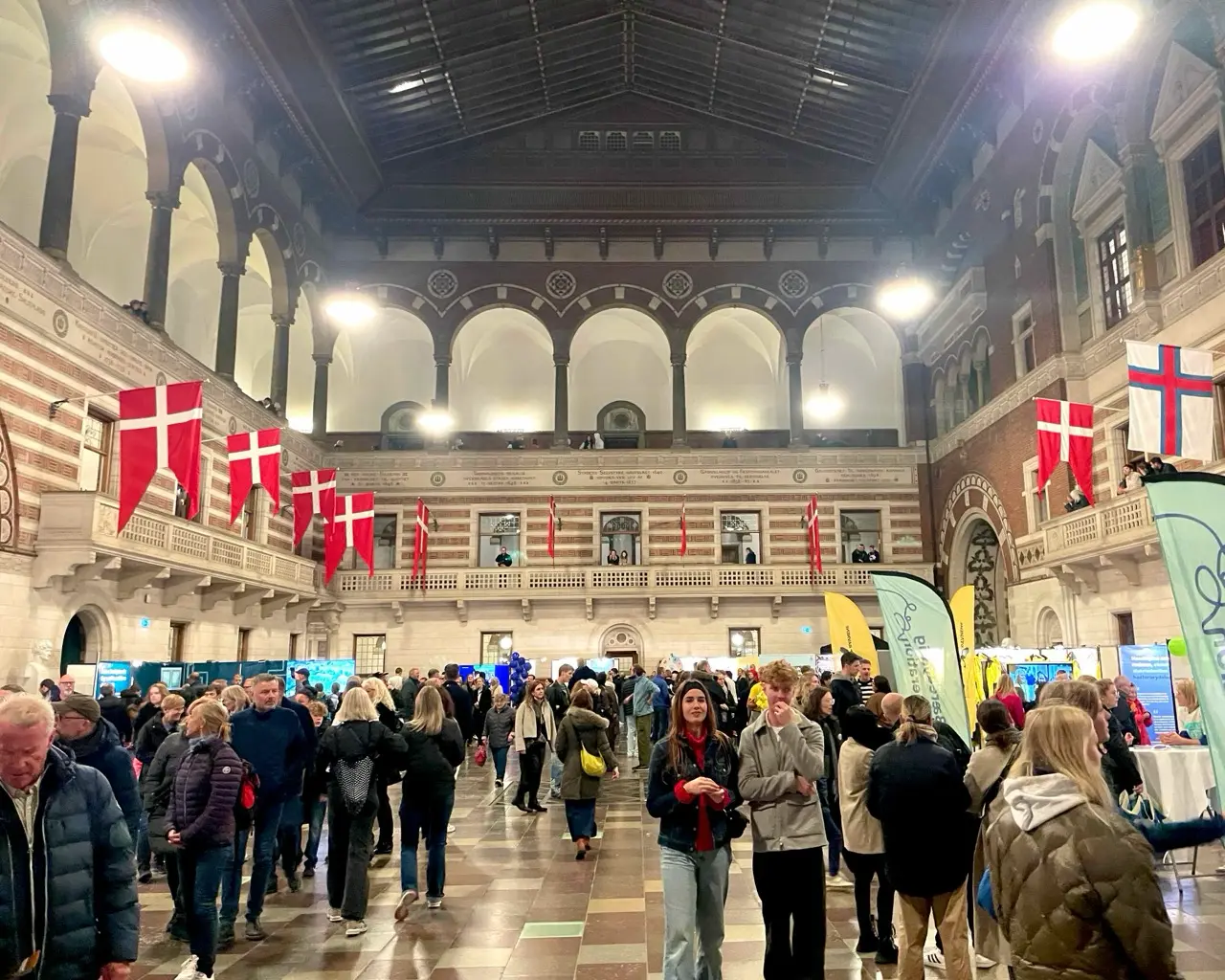
Top 50 Things to Do in Copenhagen: You Don’t Wanna Miss

CopenhagenThingsToDo contains affiliate links. If you make a purchase using one of these links, I may receive compensation at no extra cost to you. See Privacy Policy for more information.
Planning your trip and wondering about the top things to do in Copenhagen? This guide is all you need!
Copenhagen is my favourite city, and it’s packed with incredible places, unique experiences, and so many local gems that make everyday life here feel special.
After living here for years and exploring the city in every season—walking, biking, and wandering around—I’ve gotten to know Copenhagen inside and out.
I’ve taken my family to the must-see attractions, revisited my favorites again and again, discovered secret local hangouts, and experienced the city in ways most visitors don’t. So you can trust that these recommendations come from real experience.
But with so many amazing things to do in the city, it can feel overwhelming to decide where to begin, especially if you’re visiting Copenhagen for the first time.
So, let’s make your plan easier. I have rounded up the best things to do in Copenhagen—the sights, the food, and the local experiences to help you make the most of your trip.
Let’s dive in and start exploring the best of Copenhagen together!
My Favourite Things to Do in Copenhagen
Here are top three of my favourite things to do in Copenhagen that I personally think you shouldn’t miss while visiting the city.
1. See the Aerial View of Copenhagen
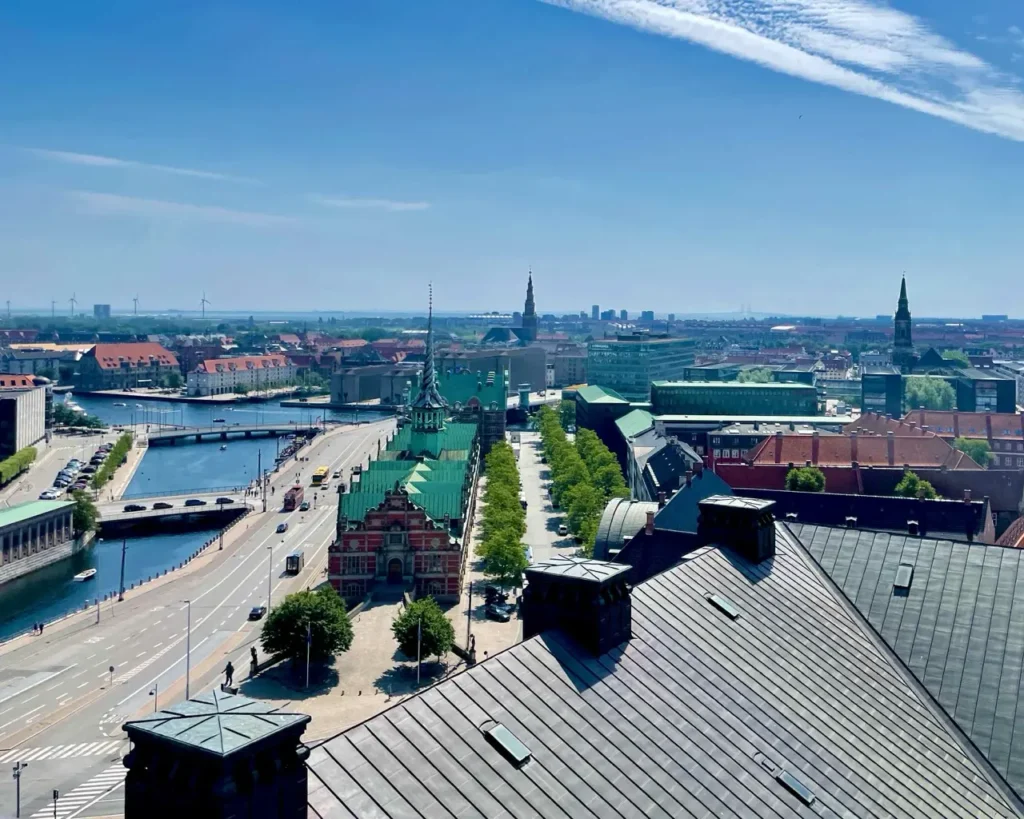
If you love city views as much as I do, Copenhagen has plenty of amazing places to see—some free, some paid.
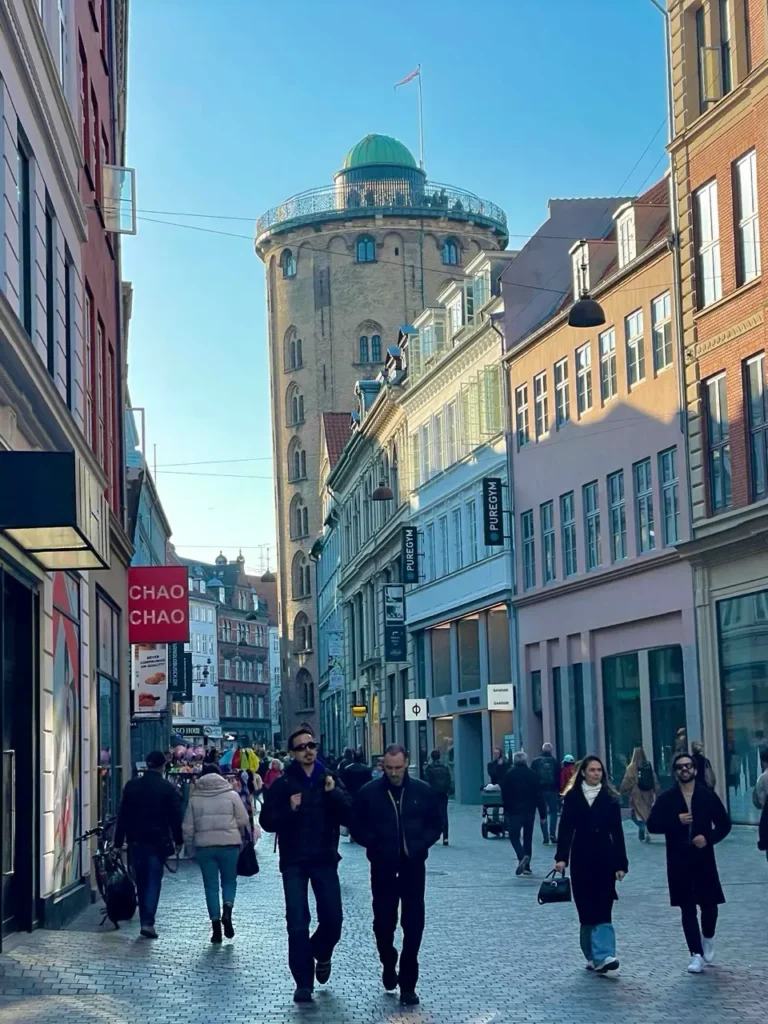
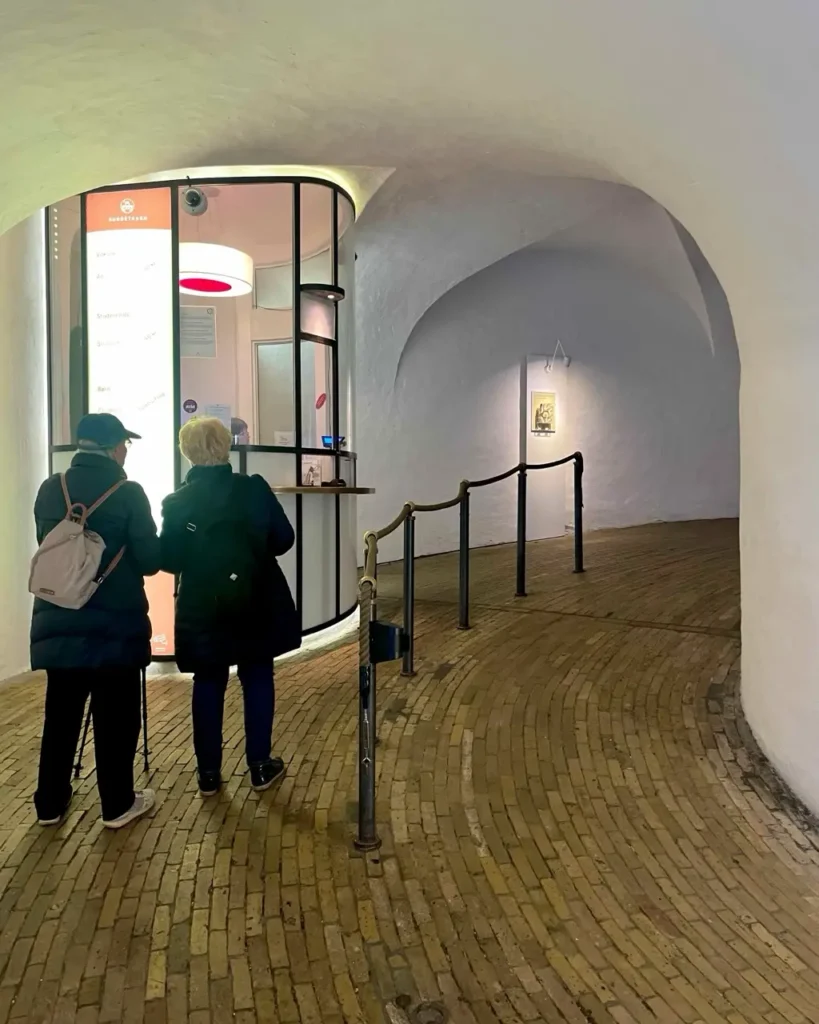
One of my favourites is the Rundetaarn (Round Tower), a 17th-century observatory right in the city center. The entry costs just 60 DKK for adults, and walking up its spiral ramp is such a fun experience. At the top, the panoramic views of Copenhagen are absolutely worth it.
If you prefer something free, head to Tårnet at Christiansborg Palace, located near the Round Tower. The ride up includes two elevators and a few stairs, and soon you’ll be rewarded with the best views of the Copenhagen skyline.
2. Sip and Savor the Coffee Culture of Copenhagen
If there’s one thing you’ll notice quickly in Copenhagen, it’s how much Danes love their coffee. Denmark actually ranks fourth in the world for coffee consumption, which says a lot!
Coffee is not just a drink here—it’s a part of their hygge lifestyle, that cozy feeling of comfort and togetherness.
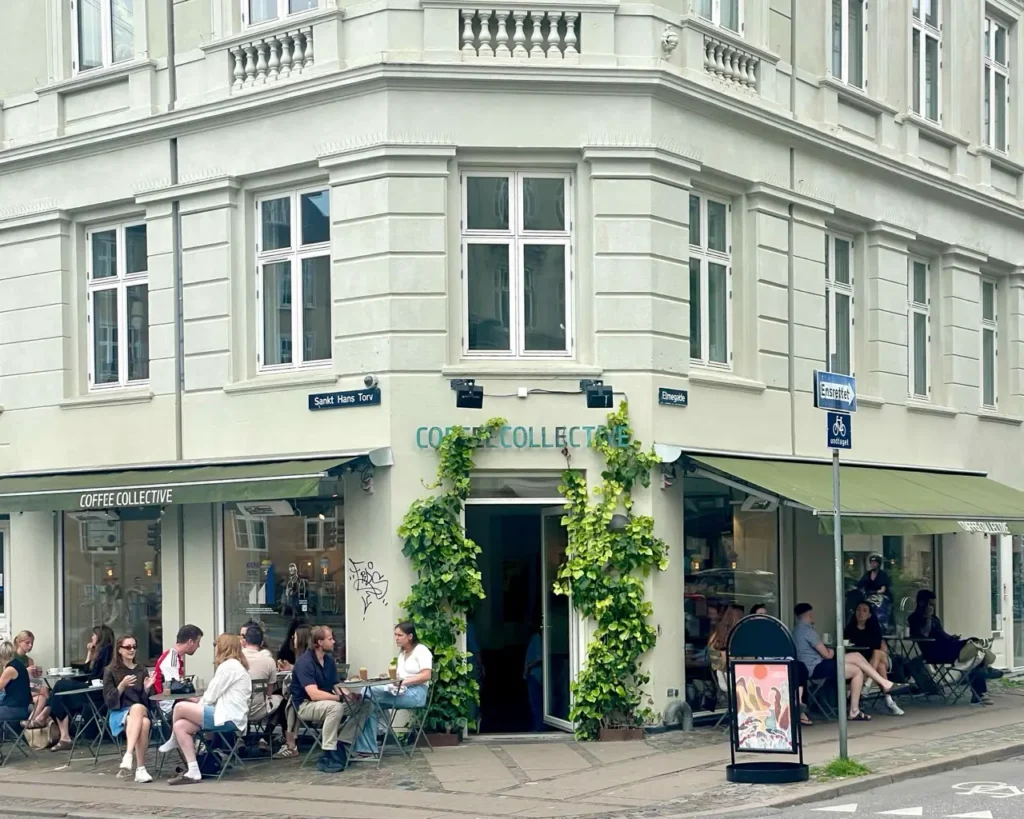
Even though I’m not a huge coffee drinker myself, I can’t help but appreciate the city’s amazing coffee culture. You’ll find cafés on almost every corner.
Some of the best coffee shops in Copenhagen include The Coffee Collective and Roast Coffee.
If you want to take coffee beans home, head to Copenhagen Coffee Lab, Nordic Roasting Co., and the beloved Irma coffee beans from local supermarkets.
3. Take a Stroll along Nyhavn
When people think of Copenhagen, they often picture Nyhavn — the colourful, postcard-perfect harbour you’ve likely seen all over Instagram.
I can tell you it’s every bit as lovely in real life. The Nyhavn waterfront is lined with restaurants, bars, shops, and hotels, making it the liveliest place in the city.
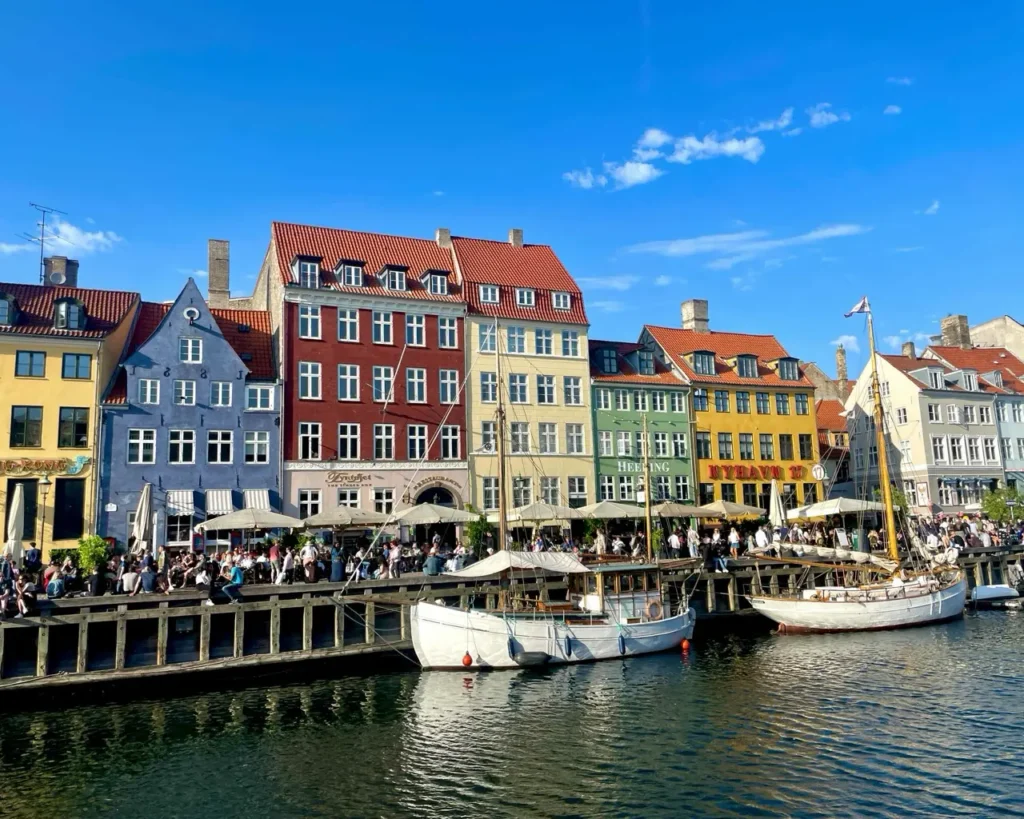
Throughout the year, Nyhavn also hosts some of Copenhagen’s most beloved events, like the magical Santa Lucia parade and J-Day.
Whether you come to people-watch, enjoy a beer by the water, or just take a stroll, Nyhavn is one of those places you simply can’t miss.
4. Go Carousal Ride at Tivoli Gardens
Tivoli Gardens is pure magic—no wonder it inspired Walt Disney himself. It’s the second-oldest amusement park in the world, after Bakken (also here in Denmark).
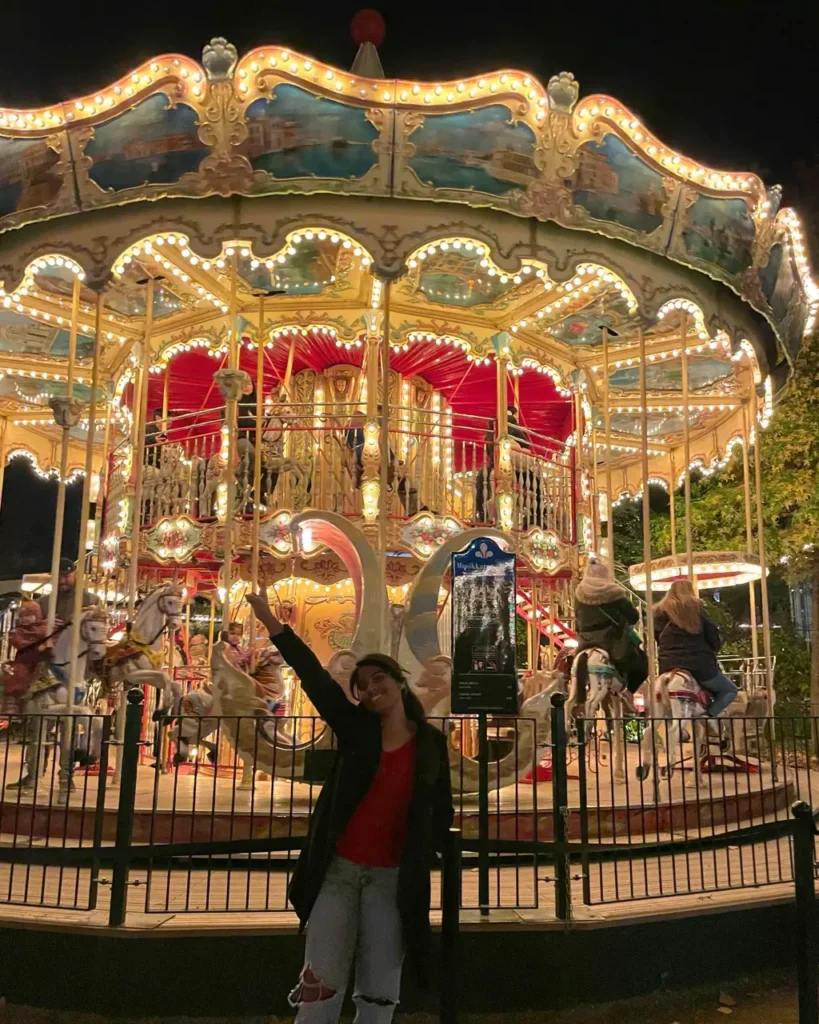
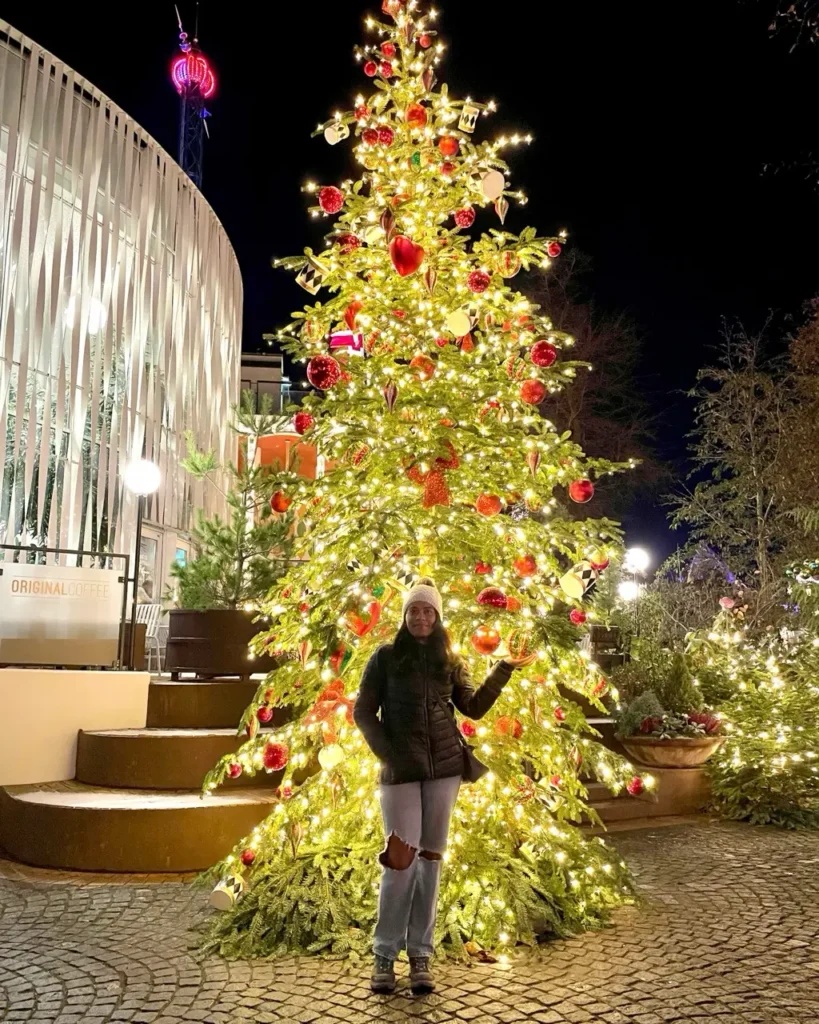
After living in Copenhagen for years now, I’ve visited Tivoli in every season, and it never fails to surprise me. The park completely transforms with themed decorations—pumpkins and lanterns for Halloween, twinkling lights and markets at Christmas, and colourful blooms in spring and summer.
It has over 30 rides, fun games, restaurants, and even a lively food hall. You can easily spend an entire day here—especially if you’re travelling with kids.
5. Hop On a Canal Boat Tour
One of the best ways to experience Copenhagen is from the water. Hopping on a canal tour is a must-do activity—it’s such a fun and relaxing way to see the city from a completely different perspective.
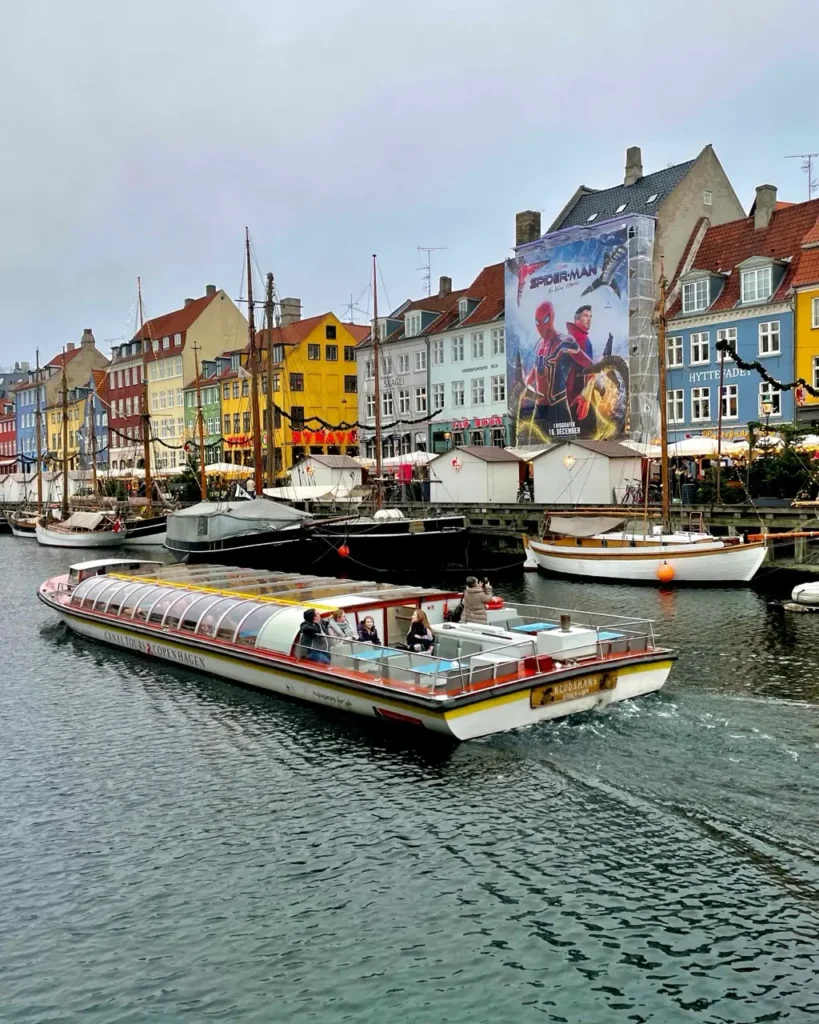
Most tours start at Nyhavn and last about one hour, with a live, multilingual guide sharing stories about Copenhagen’s history and landmarks. You’ll glide past places like Christiansborg Palace, the Opera House, The Little Mermaid, Amalienborg Palace, and the canals of Christianshavn.
It might sound like a touristy thing to do, but trust me, it’s worth it. I went with my cousins, and we had such a great time—laughing, taking photos, and just soaking in the views.
You can even rent a private boat for a more personal experience. (No license required)
And Stromma canal tours are completely free with the Copenhagen Card.
6. See the Royal Jewels at Rosenberg Castle
Rosenborg Castle is a 400-year-old Renaissance castle filled with several royal artifacts that tell the story of Denmark’s monarchy.
My favorite part is the treasury room in the basement, where you’ll find Denmark’s most prized treasures: the Crown Jewels and Royal Regalia. Seeing them up close is truly fascinating. The basement also holds collections of royal wine, ivory, and amber.
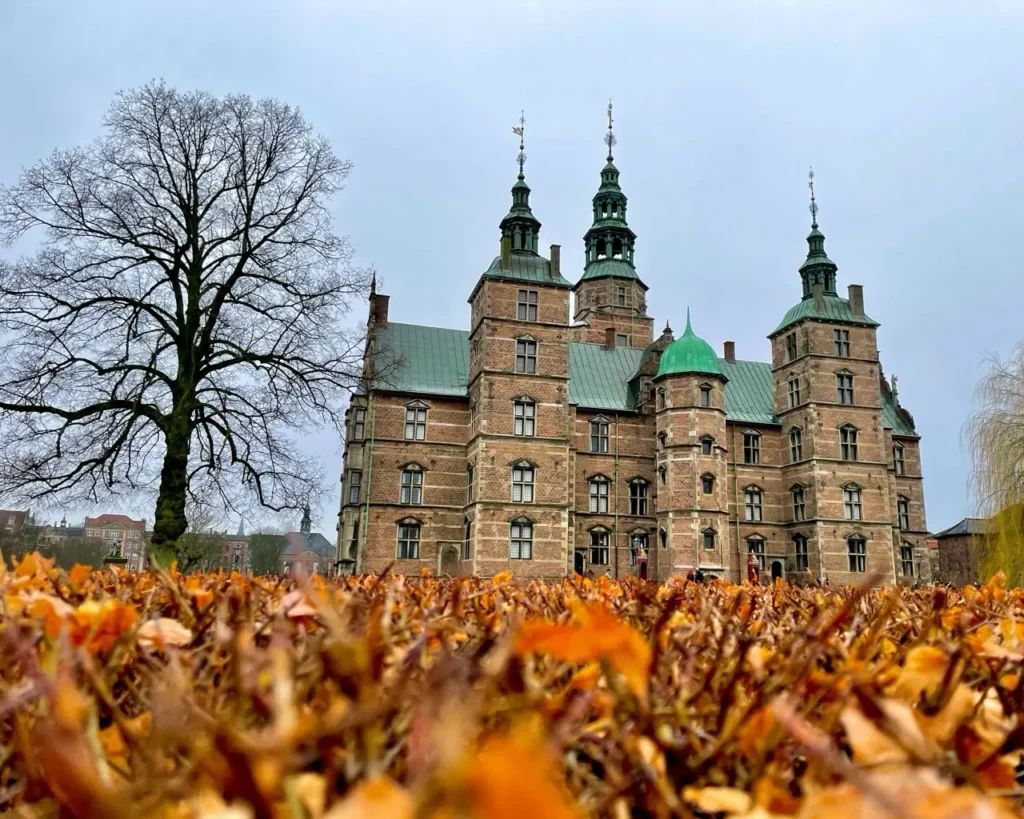
Outside, the castle is surrounded by a moat on three sides, and the Kongens Have (King’s Garden) stretches out in front. It’s one of my favourite spots to relax on a sunny day, especially in spring when the flowers are in full bloom.
I’d recommend joining a guided tour to really appreciate the castle’s stories and secrets. And the entry to Rosenborg Castle is free with the Copenhagen Card.
Avoid the wait time and buy the tickets to Rosenborg Castle online!
7. Discover Exotic Plants at the Botanical Garden
Tucked right next to Rosenborg Castle, the Botanical Garden in Copenhagen is spread over 10 hectares of lush greenery. It’s home to Denmark’s largest collection of plants—from flowers to rare tropical species.
Built between 1872 and 1874, the Palm House is a glass greenhouse loaded with rare and exotic plants from around the world. If you climb the spiral staircase to the viewing platform, you’ll get a beautiful view of the plants below.
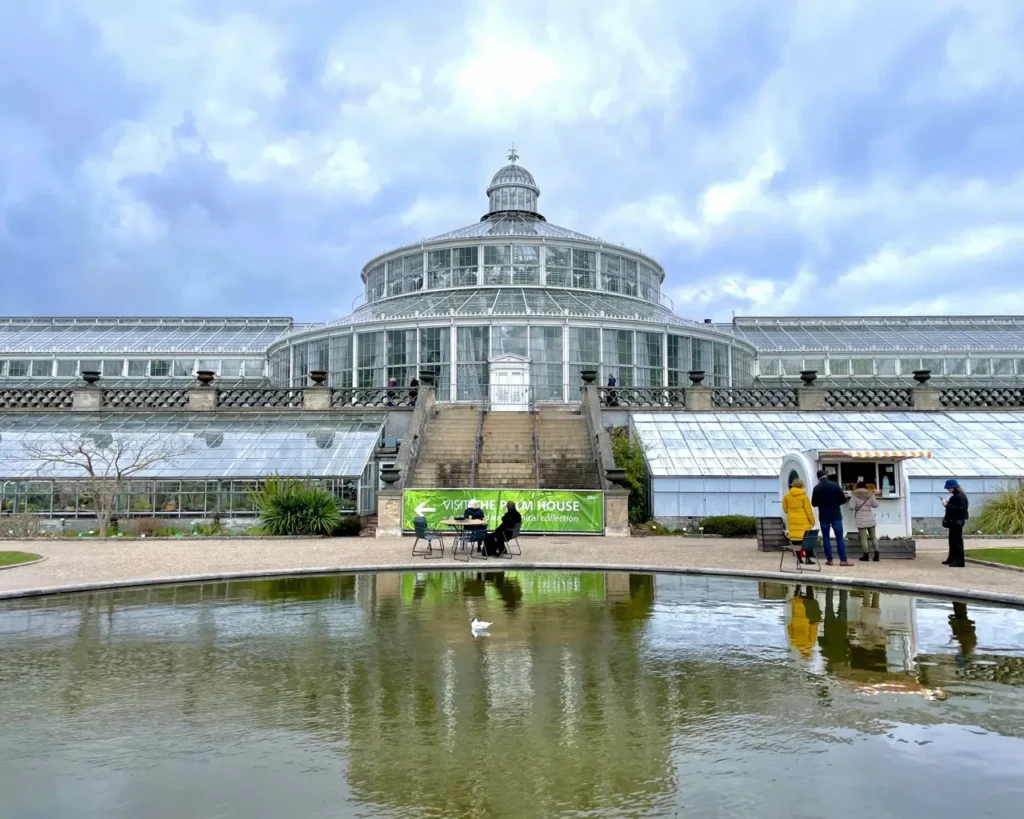
The Succulent House and Butterfly House, part of the same complex, are equally fascinating. The outdoor gardens are free to visit, and honestly, they’re beautiful all year round, especially in spring and autumn.
Get a combo ticket that includes entry to both the Palm House and the Natural History Museum, located at the eastern end of the garden—it’s one of the lovely ways to spend a quiet afternoon in Copenhagen.
8. Experience Royal Life and Politics at Christiansborg Palace
Christiansborg Palace is still an active royal palace used by the Danish Royal Family for official events to this day.
A unique thing is that the palace blends both royal grandeur and political power – yes, the palace is also a home to the Danish Parliament (Folketinget), the Supreme Court, and the Prime Minister’s Office.
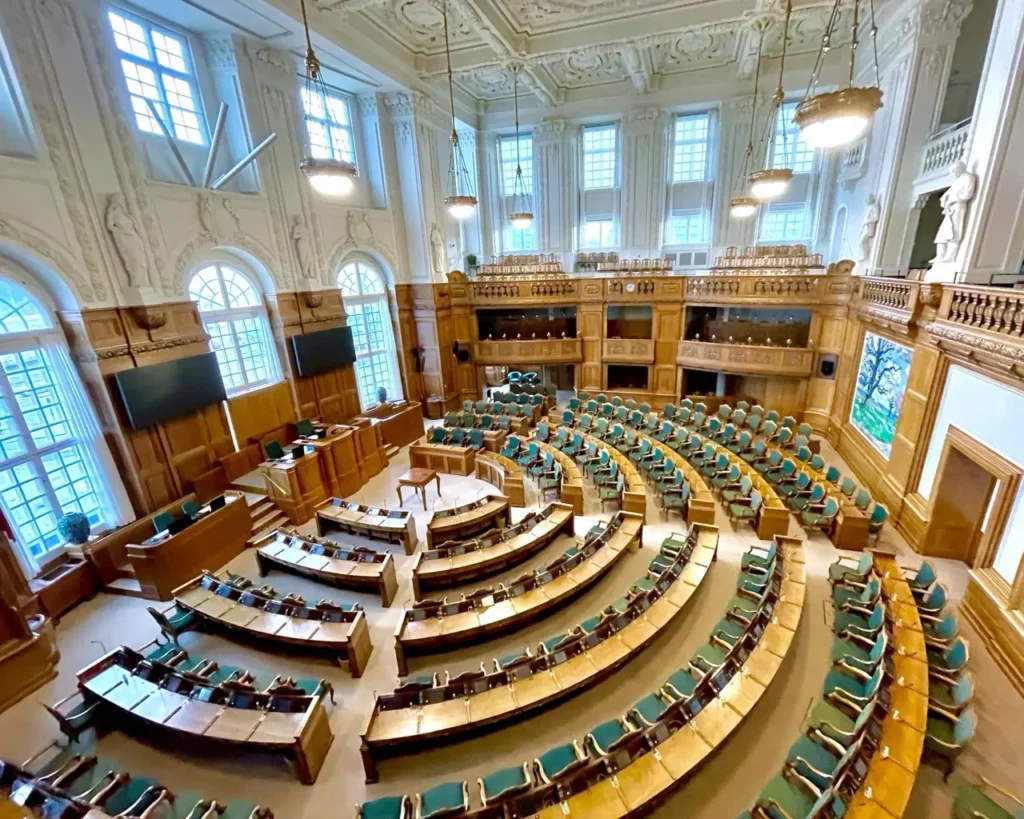
The Royal Reception Rooms are truly stunning, especially Bjørn Nørgaard’s tapestries in the Great Hall and the Throne Room, where King Frederik X was proclaimed in 2024!
The Royal Banquet Kitchen gives a peek into where grand gala dinners are prepared, and the Royal Stables house the horses and carriages still used for royal ceremonies. Don’t miss the 800-year-old ruins beneath the palace—the remains of Absalon’s Castle and Copenhagen Castle.
The entry is free with the Copenhagen Card, and you can explore it all or choose sections that interest you most.
9. Explore Copenhagen By Bike Like a Local
If there’s one must-do thing in Copenhagen, it’s renting a bike. The city is small, flat, and incredibly bike-friendly, with bike lanes making it perfect for cycling.
Most of the main tourist attractions are close to the city center, so biking makes getting around super easy and fun. After living here, I can tell you there’s no better way to feel like a true Copenhagener than gliding through the streets alongside the locals.
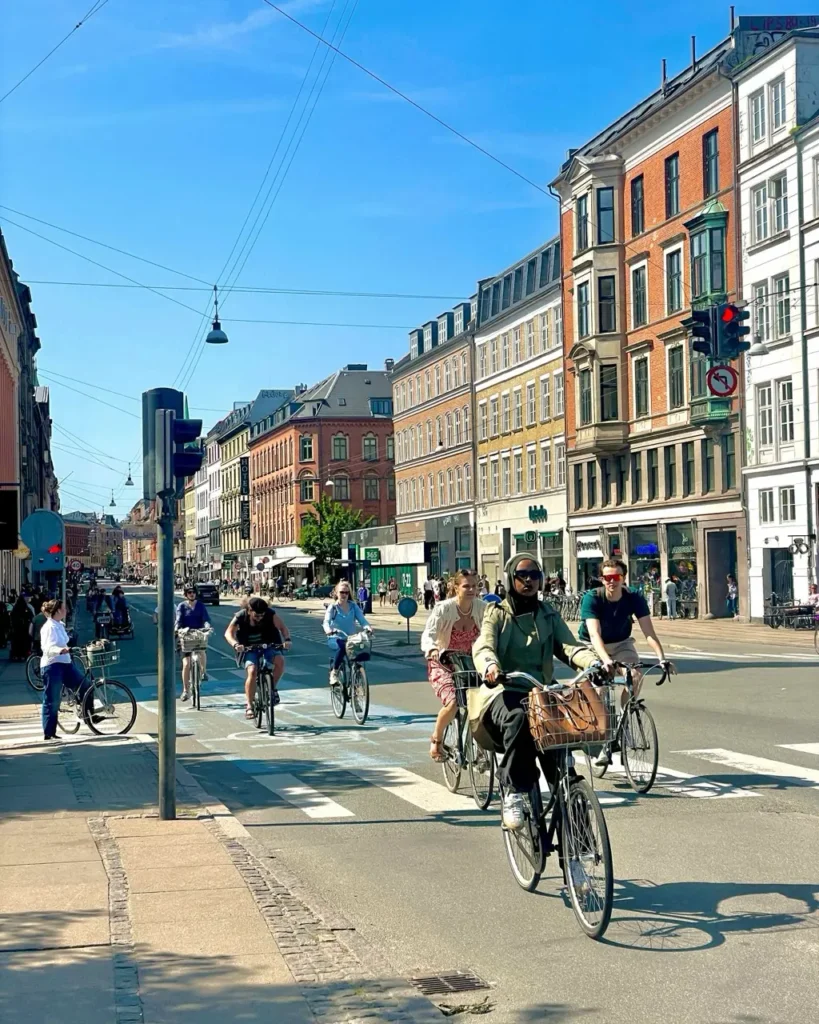
You’ll find plenty of bike rental shops around the city, or you can book one online from Donkey Republic. Rentals are available by the hour or for the whole day.
Just remember a few basics—keep to the right, follow the traffic signals, and always lock your bike when you stop.
Join this top-rated 3-hour guided e-bike tour with an experienced local guide!
10. Ski, Hike, or Just Enjoy the View at CopenHill
Amager Bakke, also known as CopenHill, is one of the coolest examples of how Copenhagen transforms something sustainable into the city’s most exciting outdoor attraction.
You’ll find an all-year-round ski and snowboarding slope, a rooftop café, and scenic hiking trails that twist their way to the top. I love walking up the trail—it’s steep in places (gradients up to 35%), but the panoramic view of Copenhagen from 85 m high makes every step worth it.
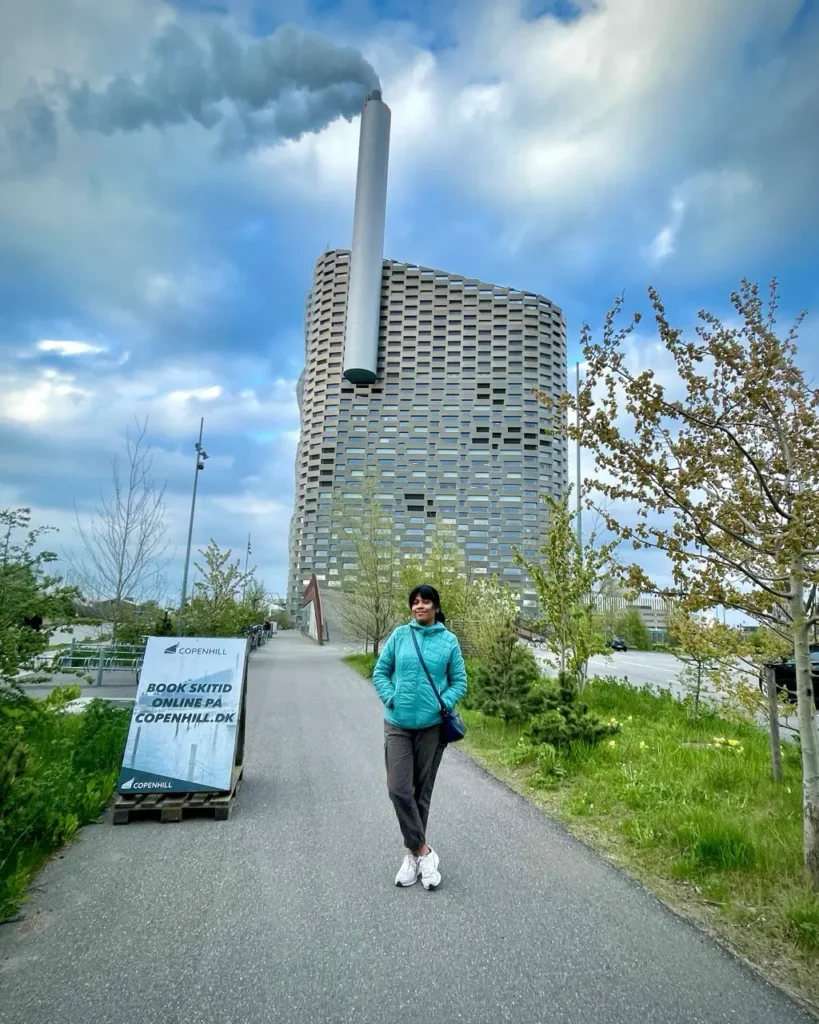
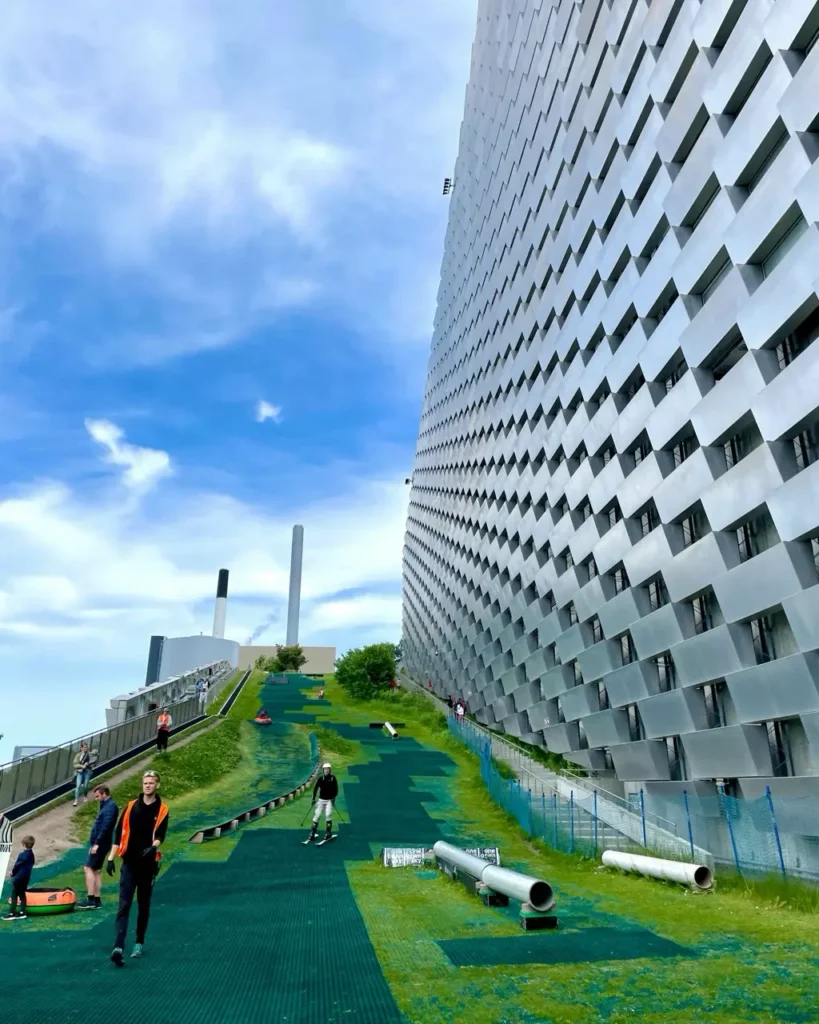
The best part? Hiking, running, or even just hanging out on the rooftop is completely free. I’ve gone back several times just for the views, vibe, and physical activity.
And the climbing wall at CopenHill is the tallest artificial climbing wall in the world. It’s an 85m high and 10m wide wall. There are ten routes with varying levels of difficulty, though none are for beginners.
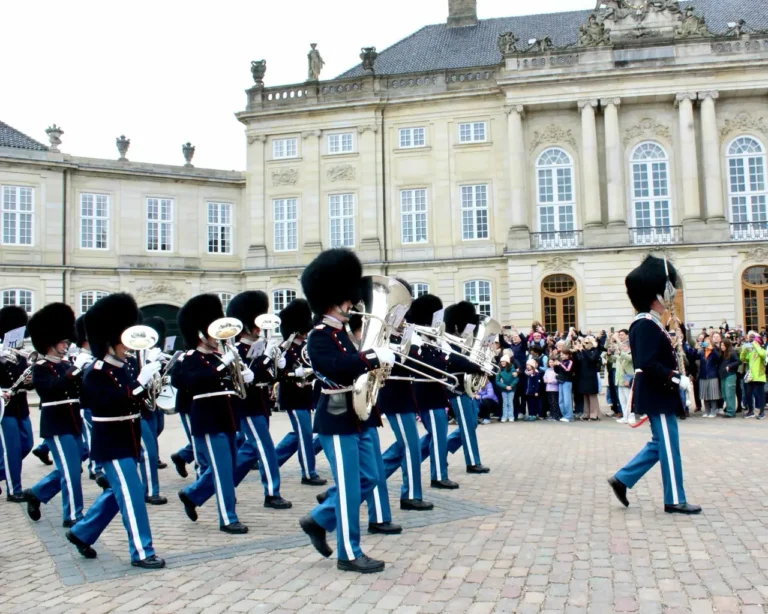
11. See the Changing of Guards at Amalienborg Palace
The Changing of the Guards at Amalienborg Palace is a Danish royal tradition that happens every day at 12:00 noon in the palace square. It is one of those classic free things to do in Copenhagen.
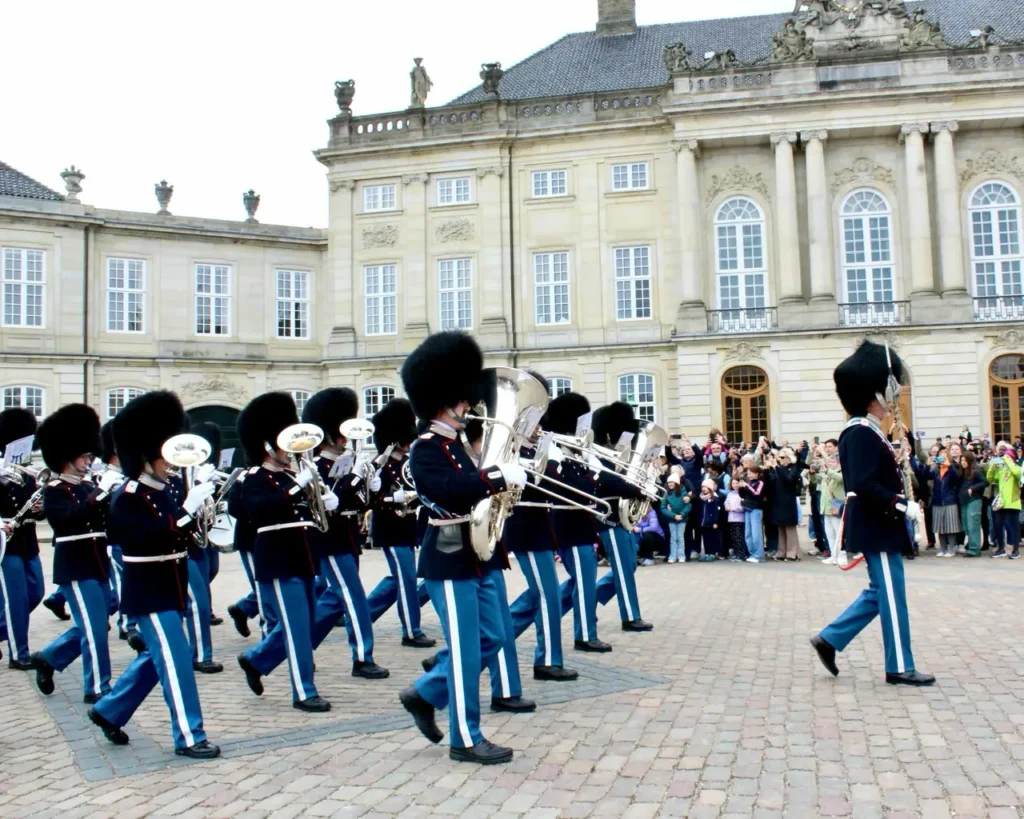
The Royal Life Guards march in their uniforms, and when the royal family is in residence (usually from September to April), a band of royal musicians joins them, making the whole experience even more special.
I always recommend arriving a bit early, especially during the summer, since it tends to get crowded fast. Once the ceremony ends, take a little time to visit the Amalienborg Palace Museum, free with the Copenhagen Card.
12. Marvel at the Marble Church (Frederik’s Church)
Just a stone’s throw away from Amalienborg Palace, you’ll find the Frederik’s Church. The architecture and intricate details of the church are simply amazing.
Built in the 18th century, this Lutheran church is famous for its magnificent dome, which is the largest in Scandinavia. I still remember the first time I stepped inside; I couldn’t stop staring at the dome!
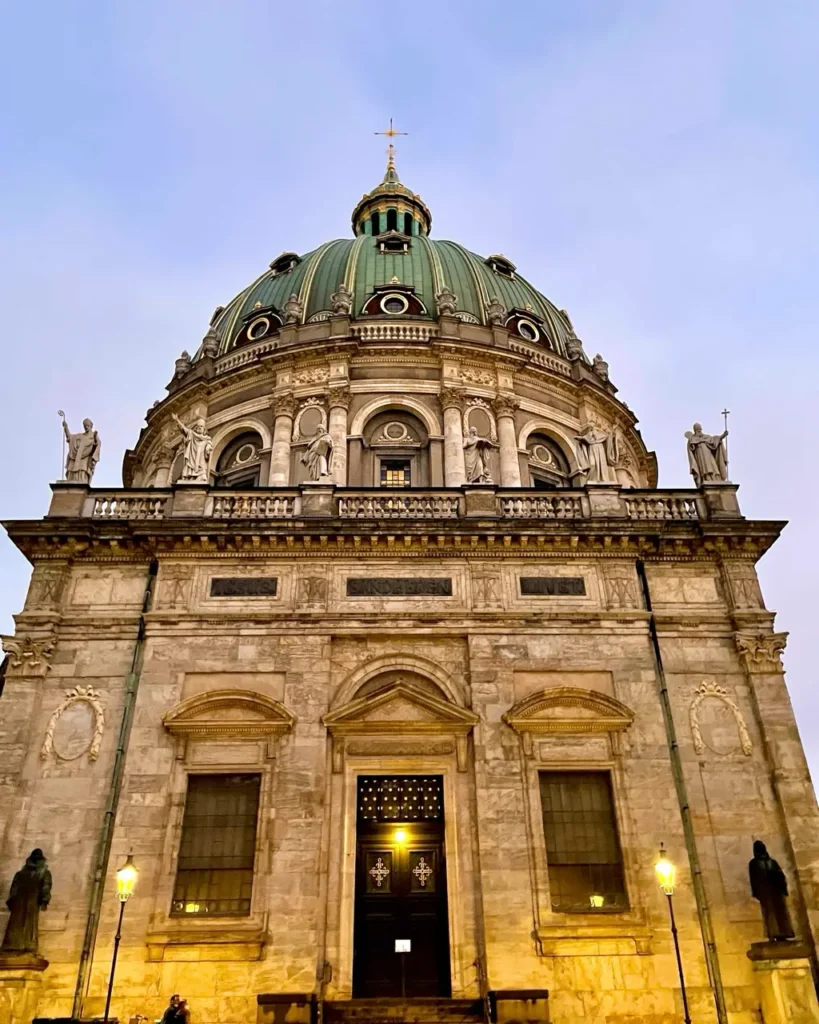
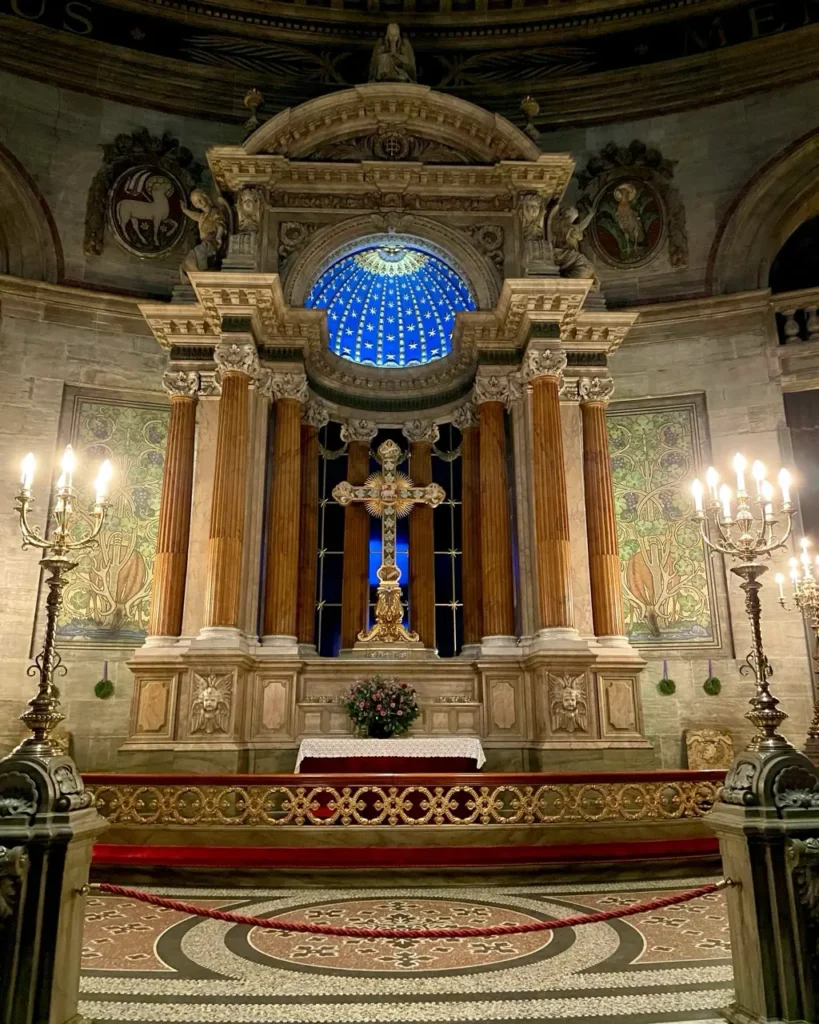
You can even climb up to the dome on Saturdays and Sundays at 1:30 PM for a small entry fee of 50 DKK, and enjoy the panoramic views from the top.
If you’re not visiting the dome, the entry to the church is completely free, making it a great quick stop before heading to your next attraction in Copenhagen.
13. Take a Selfie With the Little Mermaid
The Little Mermaid bronze statue is, without a doubt, Copenhagen’s most famous landmark—and probably the most photographed spot in all of Denmark. Every time I walk by, there’s a crowd gathered around her, cameras clicking from every angle.
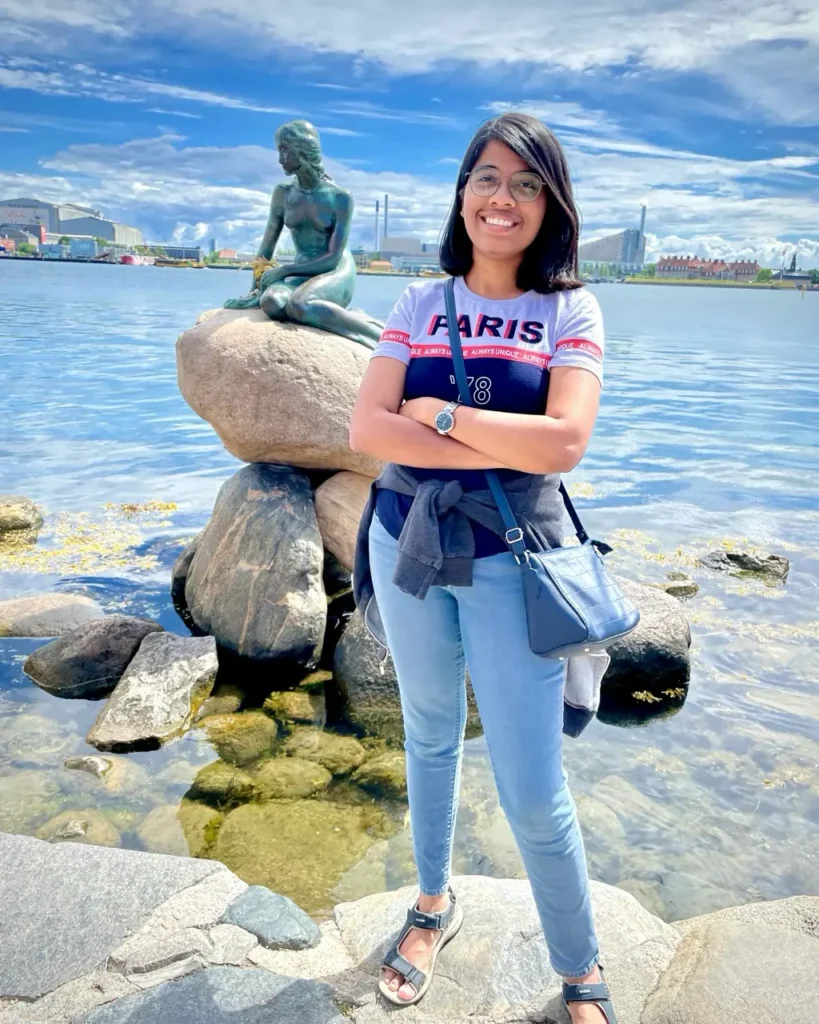
After watching a ballet version of Hans Christian Andersen’s fairytale “The Little Mermaid” in 1909, Carl Jacobsen, the founder of Carlsberg, was so enchanted that he asked sculptor Edvard Eriksen to bring the mermaid character to life. The face was modelled after ballerina Ellen Price, while Eriksen’s wife, Eline, posed for the body.
Since 1913, she’s been sitting gracefully on her rock by the harbour. Standing only 1.25 m (4.1 feet) tall and weighing 175 kilograms, she might be smaller than you expect.
14. Walk Around the Kastellet Fortress
Located near the Little Mermaid is the Kastellet – the star-shaped 17th-century fortification built between 1662 and 1665. This best-preserved fortress is still used as a military barracks, yet open year-round to the public.
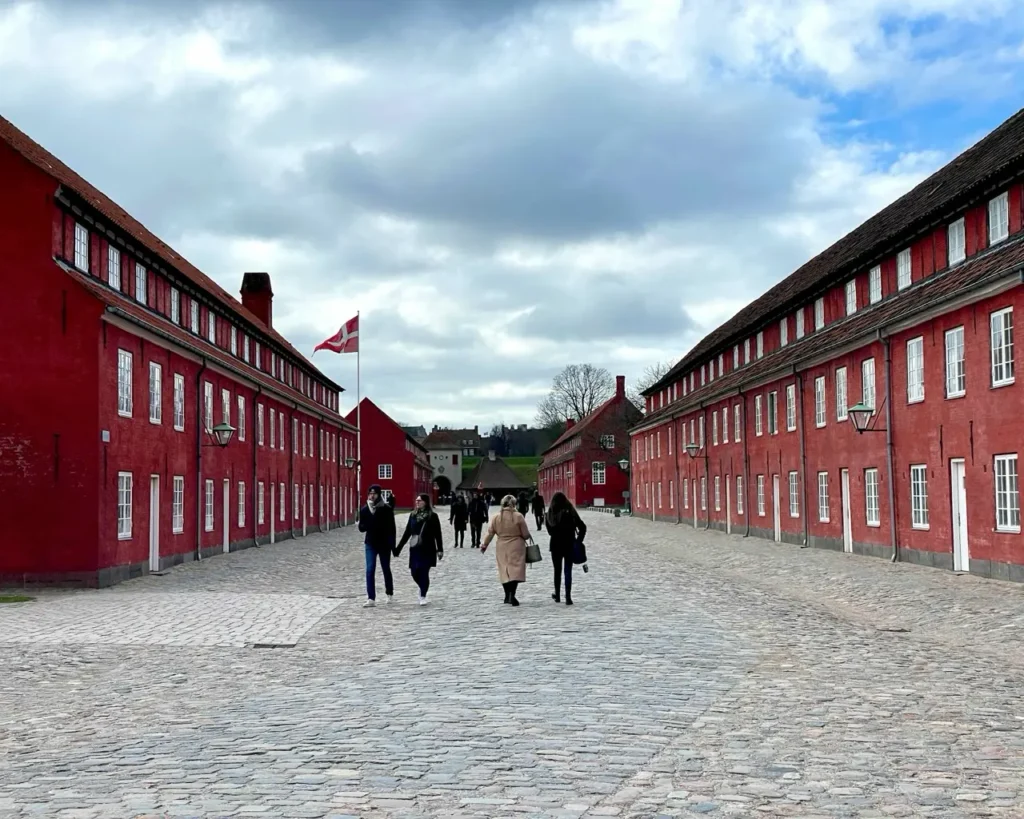
On any day, I enjoy strolling along the ramparts and green paths. There’s plenty to see inside the premises—the old windmill, the beautiful Castle Church (open daily from 8:00 AM to 6:00 PM), and a few museums.
- The Kastellet Historical Collection near the Norwegian Gate showcases paintings, photos, and objects from the fortress’s past (open Sundays, 12:00–2:00 PM, May to September).
- The Danish Life Regiment Memorial Room (open from 12:00-16:00 on the first and last Sunday of the month, May to September).
- The Bodyguard Museum (Open from 11:00-14:00 on Sundays, May to September).
- The old prison, WWII bunker, and Gunpowder Tower in the Queen’s Bastion, the barracks where soldiers lived in the 1700s—open only on special days like Kulturnat and Kastellet’s birthday on October 28th.
- Admission is free for everyone, but if you’d like a paid guided tour, you must book at least 15 days in advance.
I’d say Kastellet is an underrated gem in Copenhagen—peaceful, historic, and beautifully preserved.
15. Chill and Enjoy the Vibes at Reffen Street Food Market
Located in Refshaleøen, Reffen is the largest street food market in Northern Europe—and it’s one of my personal favourites!
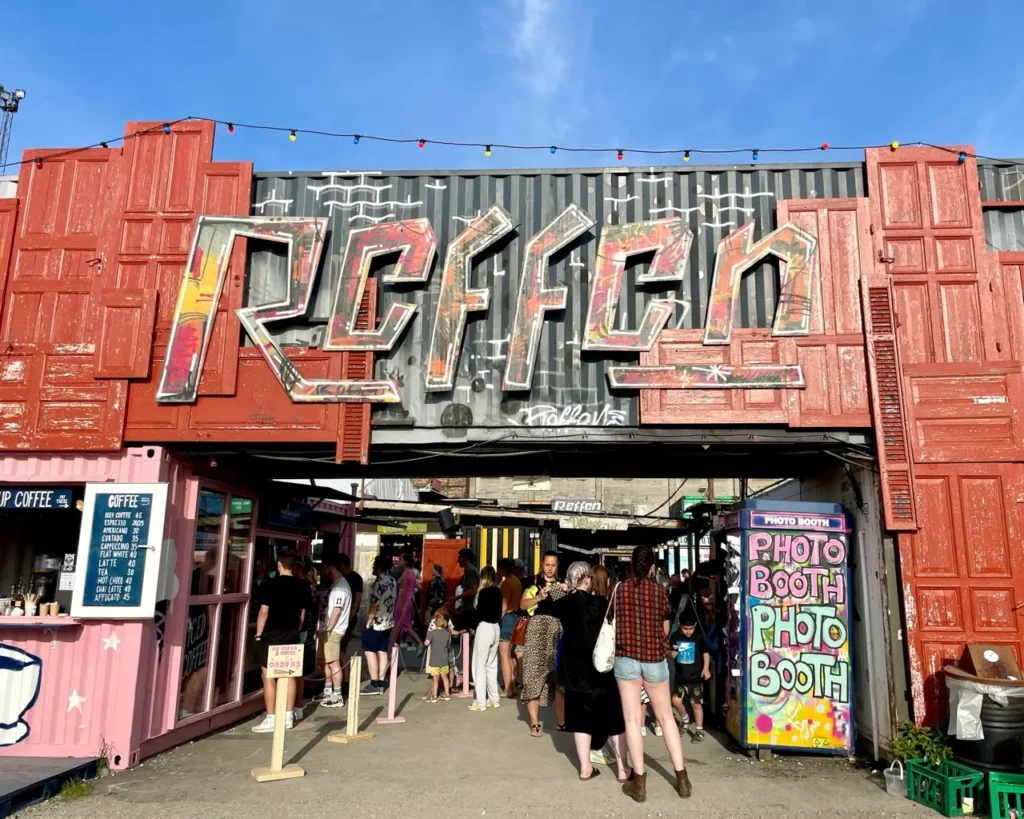
Once a bustling shipyard filled with old shipping containers, now turned into colourful food stalls, bars, and coffee stands, all serving dishes and drinks from around the world.
I love coming here in the evenings—the sunsets by the canal are absolutely stunning. You can easily get here by harbour bus 991 or 992, and once you arrive, you’ll find plenty of outdoor seating, live music, games, and a lively atmosphere.
Families, friends, and travellers all hang out here, especially in summer.
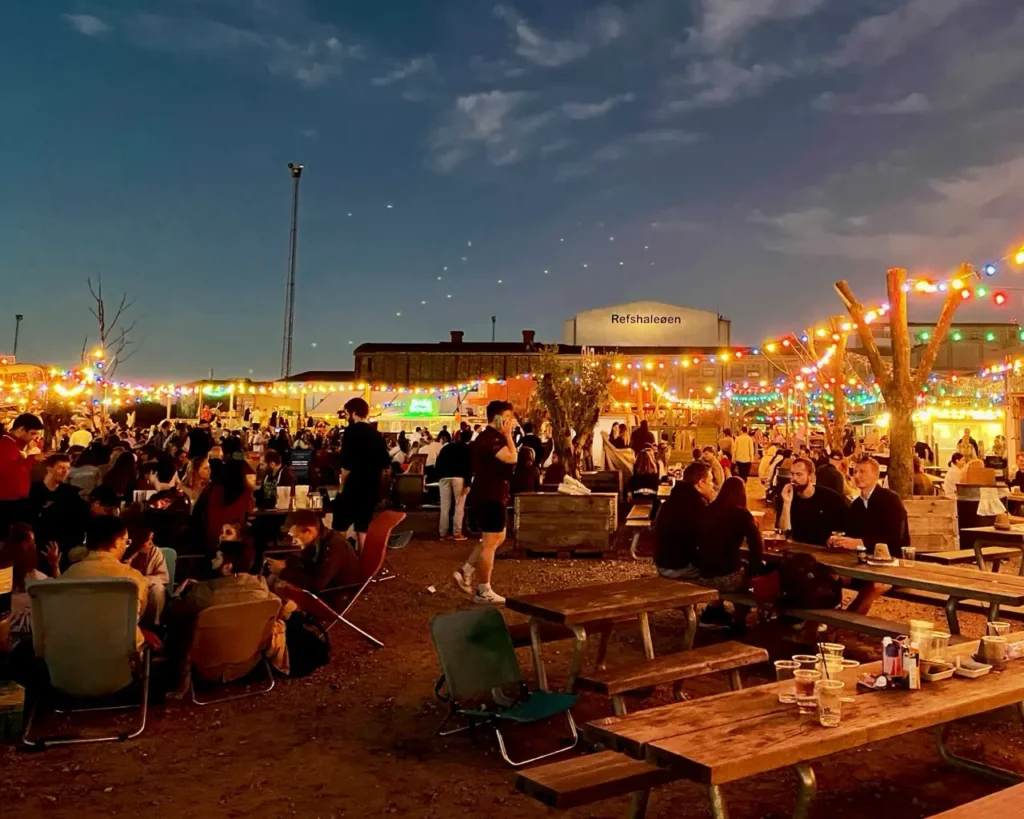
During winter, Reffen opens an ice-skating rink. There’s also a skate and scooter park, plus stalls selling handmade crafts, ceramics, and jewellery.
No matter when you visit, Reffen always has something happening—it’s the perfect place to eat, relax, and soak in Copenhagen’s creative energy.
Savour the best of Danish cuisine with Copenhagen’s oldest and original food tour
16. Warm Up in a Copenhagen Sauna
When the temperature drops and the cold Danish winter sets in, you’ll probably find me in a sauna—it’s honestly my favourite thing to do in Copenhagen winters.
Sauna and Saunagus (aromatherapy-infused sauna sessions led by a “gusmaster”) are such an essential part of Scandinavian wellness, offering both mental and physical relaxation.
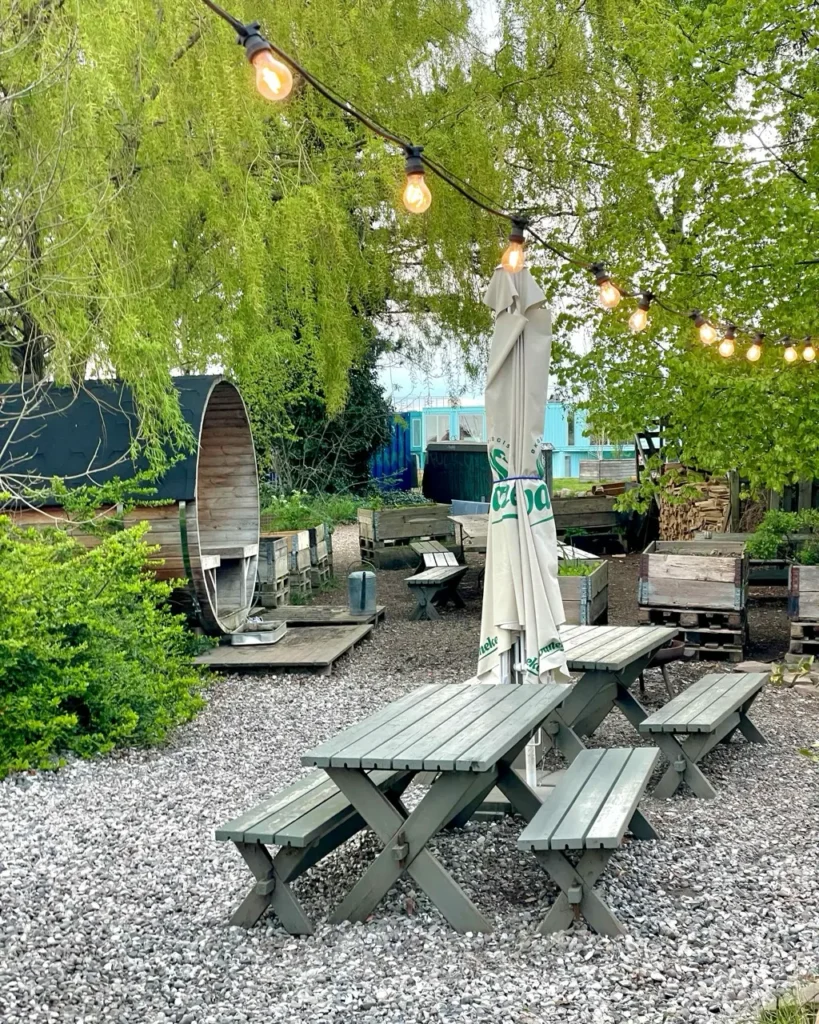
Mobile saunas, floating saunas by the harbour, private saunas, and shared saunas—Copenhagen has different types of saunas.
Many come with full facilities including changing rooms, lockers, and showers. Some even have drinks available on-site, though bringing your own food isn’t allowed.
If you’re visiting in winter, don’t skip this experience—it’s the perfect way to warm up after a long day of sightseeing.
Personally, I’ve tried many saunas and saunagus across the city, but Winter Island remains one of my absolute favourites for its atmosphere and waterfront view.
17. Discover the Story Behind Carlsberg
The Carlsberg Brewery Tour in Copenhagen is a must-do. It isn’t just a brewery visit—it’s a self-guided exhibition tour inside the original Carlsberg brewery.
Spread across 3,000 sq. m, the exhibition guides you through Carlsberg’s founding, the art of brewing, and the incredible legacy the Jacobsen family left on Danish society.
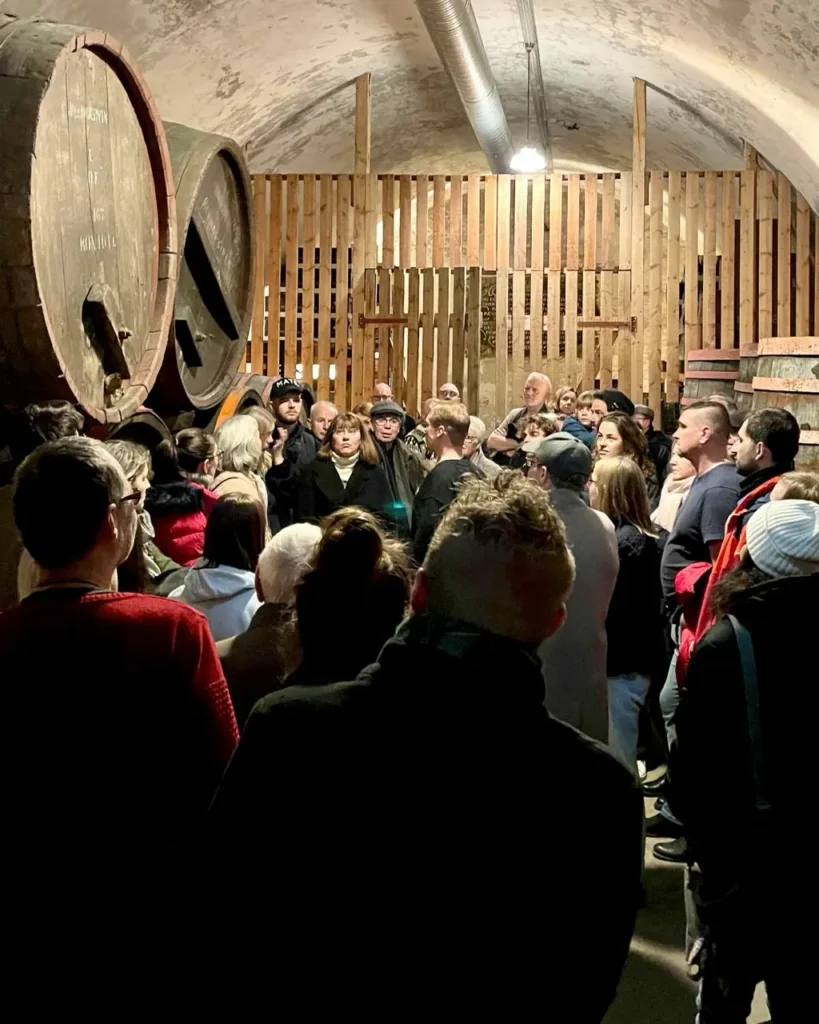
I loved how interactive the whole experience was—each room has projections, videos, and displays that bring the story to life. It takes around 2–3 hours. The tour ends in the old Carlsberg cellars with a beer tasting, where you can choose from three different brews.
Even if you skip the tour, there’s still plenty to enjoy for free—the Carlsberg shop, the majestic horses, and an outdoor seating area perfect for sipping a beer on a sunny Danish afternoon.
Tour tickets are free with the Copenhagen Card (remember to register for the tour in advance) or book online to secure your spot, which I highly recommend.
18. Explore the Free-Spirited Neighbourhood of Christiania
One of the most unique and interesting neighbourhoods in Copenhagen is Christiania, which truly stands out from the rest of the city.
Known for its alternative lifestyle, colourful street murals, and community, it’s a place that celebrates freedom and self-expression.
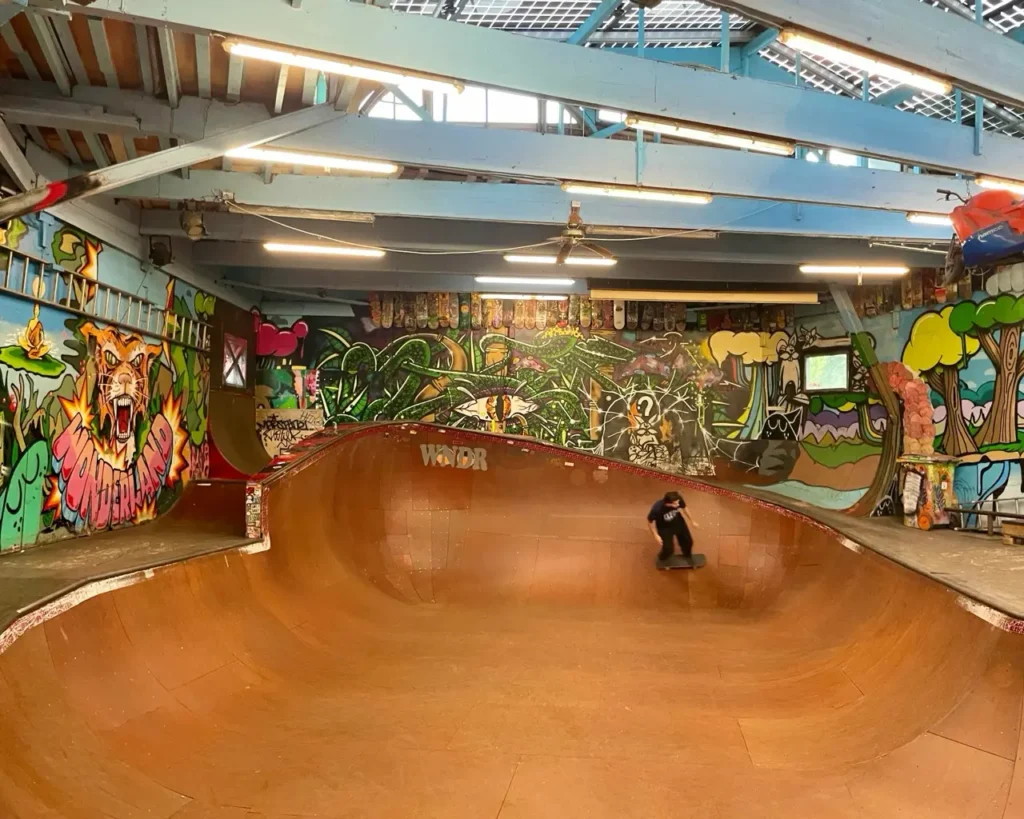

Christiania is a car-free zone, so the best way to explore is on foot or by bike. I love visiting during the winter, when there’s an ice-skating rink on Pusher Street and an indoor Christmas market at Den Grå Hal—it’s hygge, festive, and full of local charm.
While Christiania has a free-spirited reputation, it’s good to know that hard drugs are banned here and are illegal in Denmark, with police patrolling the area regularly to keep things safe.
To understand Christiania better, go on this guided walking tour!
19. Eat the Traditional Danish Smørrebrød
A trip to Copenhagen wouldn’t be complete without trying Smørrebrød, the classic Danish open-faced sandwich. It’s made with a slice of rye bread topped with ingredients like fish, meat, cheese, and garnishes.
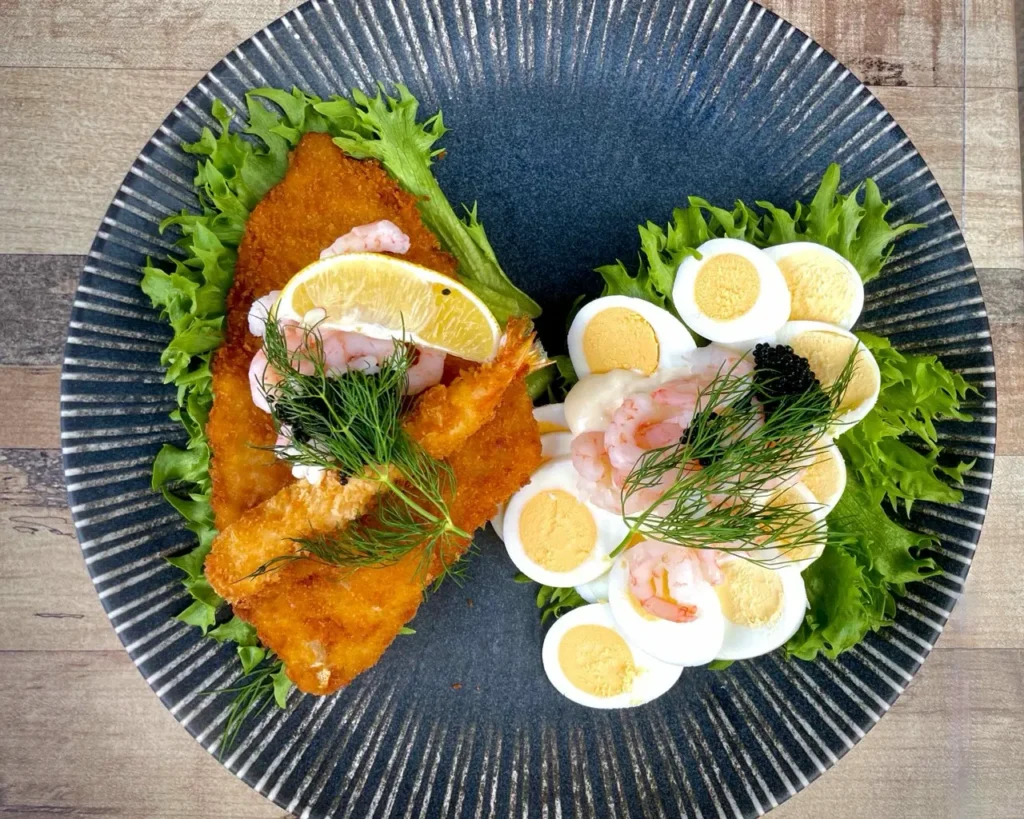
Copenhageners eat Smørrebrød for lunch almost every day, and it’s easy to see why. My personal favourite is from Ibens Smørrebrød—their combinations are always fresh and flavourful.
- For affordable takeaways – Domhusets Smørrebrød, Madmanden, and Josephines are all solid choices. You can even grab Smørrebrød at supermarkets like Føtex.
- For something mid-range, Hallernes, Ibens Smørrebrød, or Café Halvvejen serve great options around 80–100 DKK.
- On the expensive side, try Aamanns 1921, Restaurant Palægade, Selma, or Schønnemann.
But if you really want to experience Copenhagen’s food culture, I highly recommend joining a food tour (with tastings included!)
20. Relax and Read at Copenhagen’s Free Libraries
The most famous Copenhagen library is the Black Diamond (The Royal Library), a stunning modern building right by the waterfront. But if you’re after something more photogenic, the Copenhagen University Library at the North Campus is an Instagrammable library in Copenhagen!
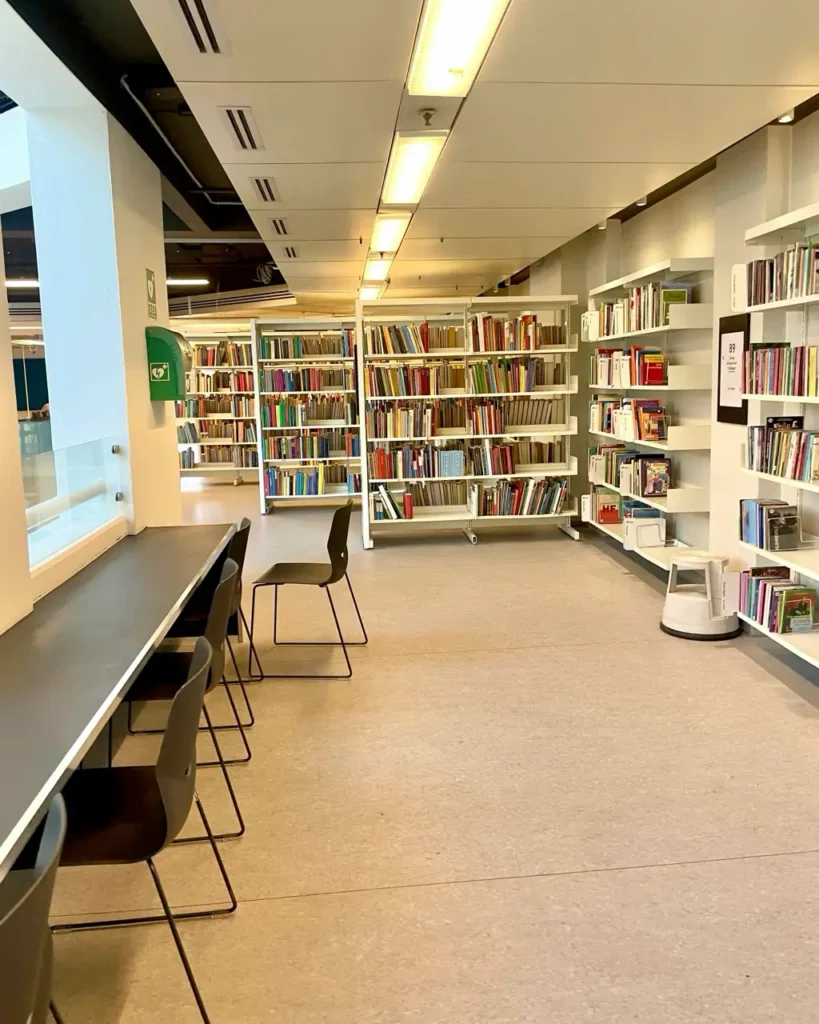
If you’re traveling with children, make sure to visit the Copenhagen Main Library, where the entire second floor is designed just for kids. They have interactive play zones, a coloring station, a reading corner, and even a small dining area for families.
What I love most is that these libraries aren’t just about books—they are community spaces. Throughout the year, they host a variety of free and paid events and workshops for both kids and adults. It’s a peaceful, creative, and completely local side of Copenhagen you shouldn’t miss.
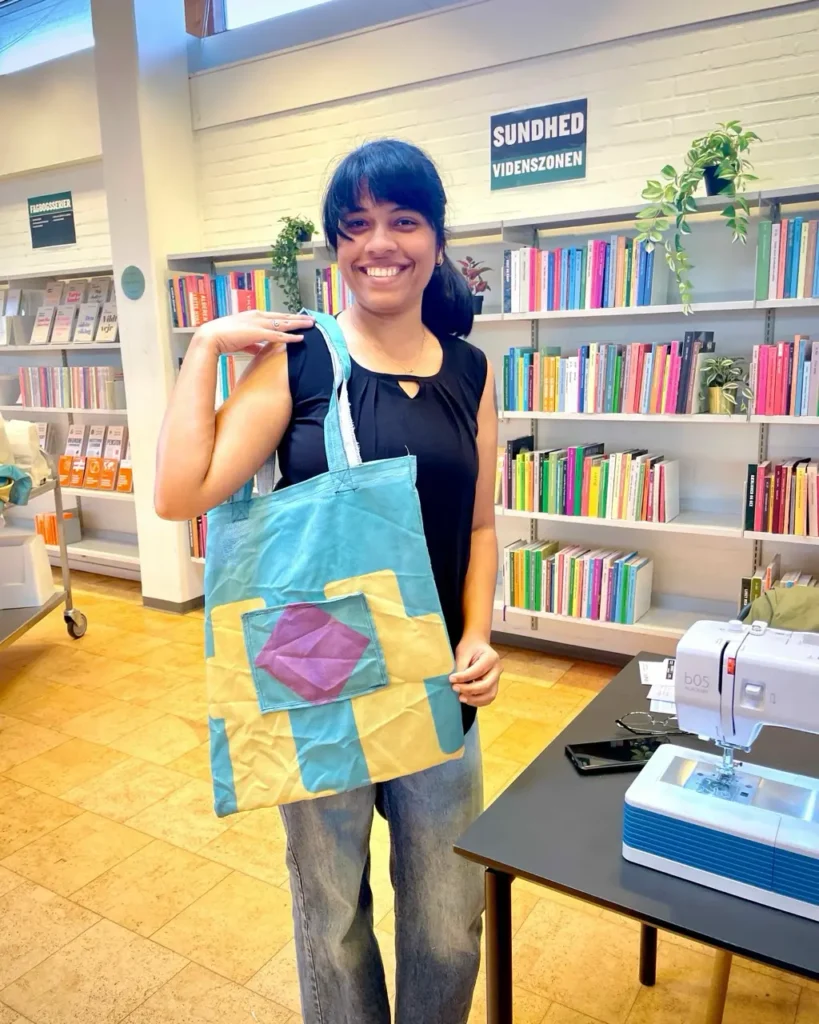
Copenhagen’s libraries are open daily and free to use, but you need to be a resident to borrow books.
21. Find the Forgotten Giants and Copenhagen Trolls
Six Forgotten Giants and Copenhagen Trolls are wooden sculptures created by Danish artist Thomas Dambo, each crafted from recycled materials and scrap wood.
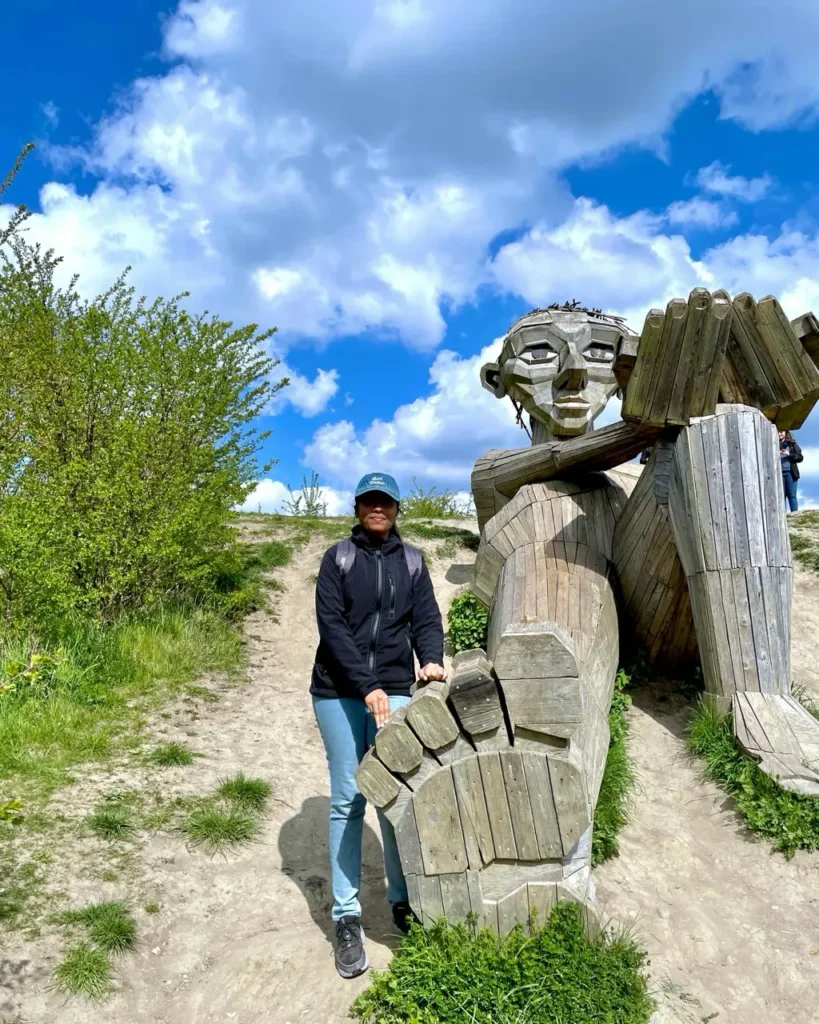
The Forgotten Giants are hidden in the outskirts of the greater Copenhagen area, while the Copenhagen Trolls are scattered around the city itself. I’ve actually done the treasure hunt walk to find the Forgotten Giants, and have also stumbled upon a few Copenhagen Trolls while exploring the city.
I love how it combines art, nature, sustainability, and adventure all in one experience, and it’s especially fun with kids, friends, or families.
You can bike, walk, or even join a guided tour to track them all down.
22. Explore the Underground Art World at The Cisternerne
Hidden beneath Søndermarken Park, right across the Copenhagen Zoo, you’ll find The Cisterns.
It was an underground water reservoir that has now been transformed into an art gallery.
Every year, an internationally renowned artist is invited to create an art exhibition specifically designed for the underground space. The installations are constantly changing with lighting and music tailored to the art, so each visit offers a new experience.
It took me an hour to explore and learn about the history of The Cisterns. In 2026, the exhibition runs from March 14 to November 30, and the site is closed during winter (December to mid-March). Also, the entry is free with the Copenhagen Card.
23. Step Into the World of Danish Architecture at DAC
If you love architecture, design, and urban spaces, then the Danish Architecture Center (DAC) is a must-visit place in Copenhagen.
It’s Denmark’s national gallery for architecture, showcasing how design shapes the way we live—from the Viking Age to the modern and future. Denmark is famous for its design legends, such as Arne Jacobsen, and DAC does a great job of celebrating that legacy.
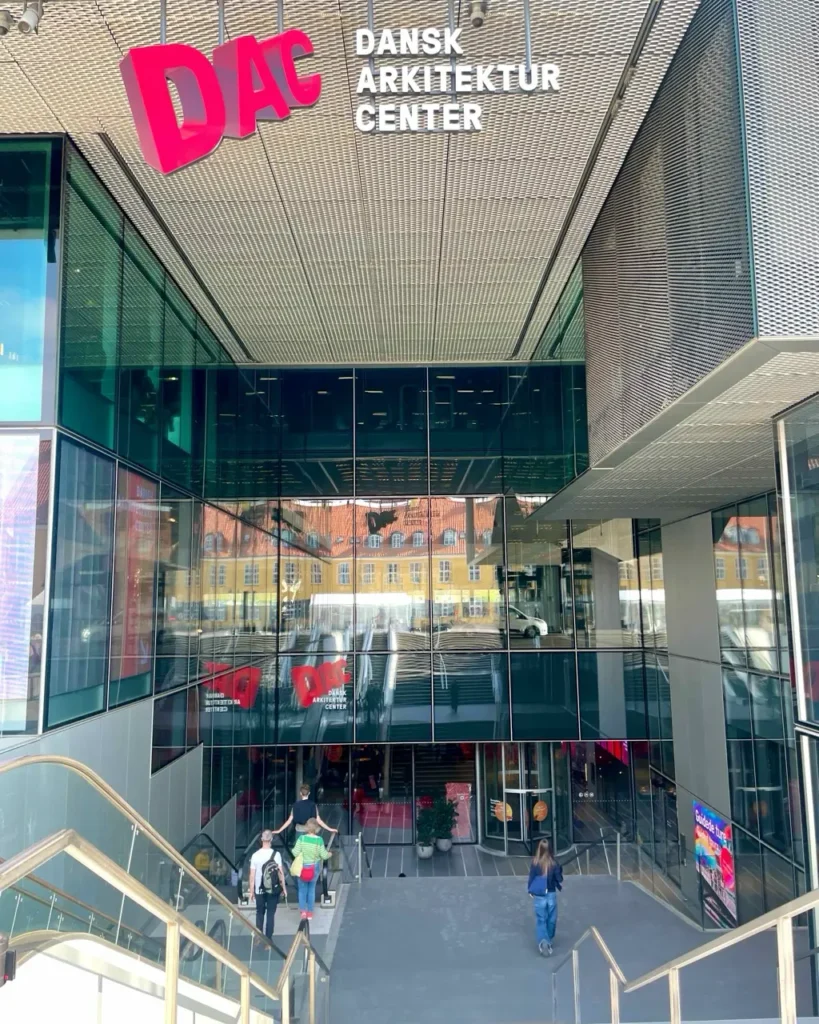
I’ve always appreciated good design, but visiting DAC made me notice architecture in a whole new way and feel the joy of thoughtful design.
The exhibitions are really good. My favourite part? The 40-meter indoor slide that takes you down four floors!
You can browse the design shop (free entry) or enjoy the rooftop café, which has an amazing city view accessible with your admission ticket.
Every weekend, DAC also offers free guided tours in English (11:00 AM) and Danish (3:00 PM) with your ticket. Also, admission is free with a Copenhagen card.
Get your entry tickets to DAC online to save time and money!
24. Take a Dip in Copenhagen Canals
One thing I absolutely love about Copenhagen is how clean its harbours and canals are—you can actually swim in them! And it’s totally free.
Just remember, swimming is only allowed in designated harbour baths and bathing zones, clearly marked with floating barriers and buoys to keep everyone safe.
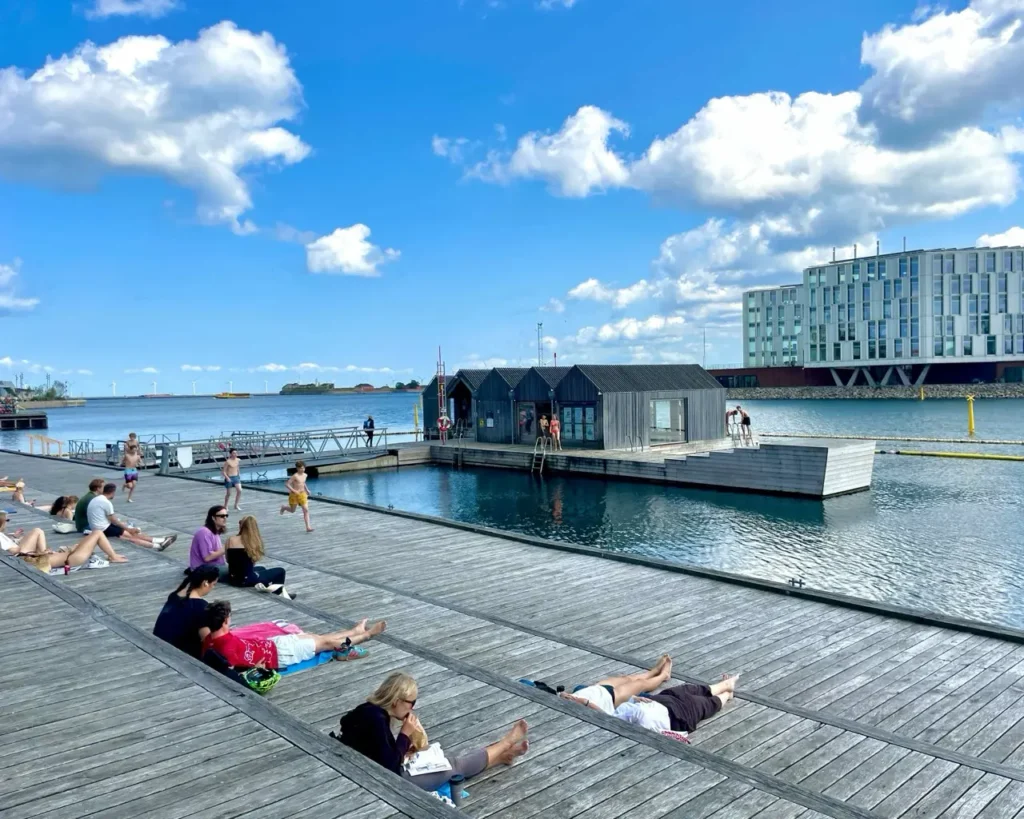
During summer, these areas come alive with locals sunbathing, diving, or just chilling by in the water. You’ll even find outdoor diving platforms and water slides in some indoor pools.
My personal favourite and go-to spot is the Islands Brygge Harbour Bath, which is super popular with locals—it has such a relaxed summer vibe.
The water is tested daily, and lifeguards are on duty from June to September. Coloured flags show the presence of the life guards, and the digital board highlights the swimming conditions—green means go, yellow means caution, and red means no swimming.
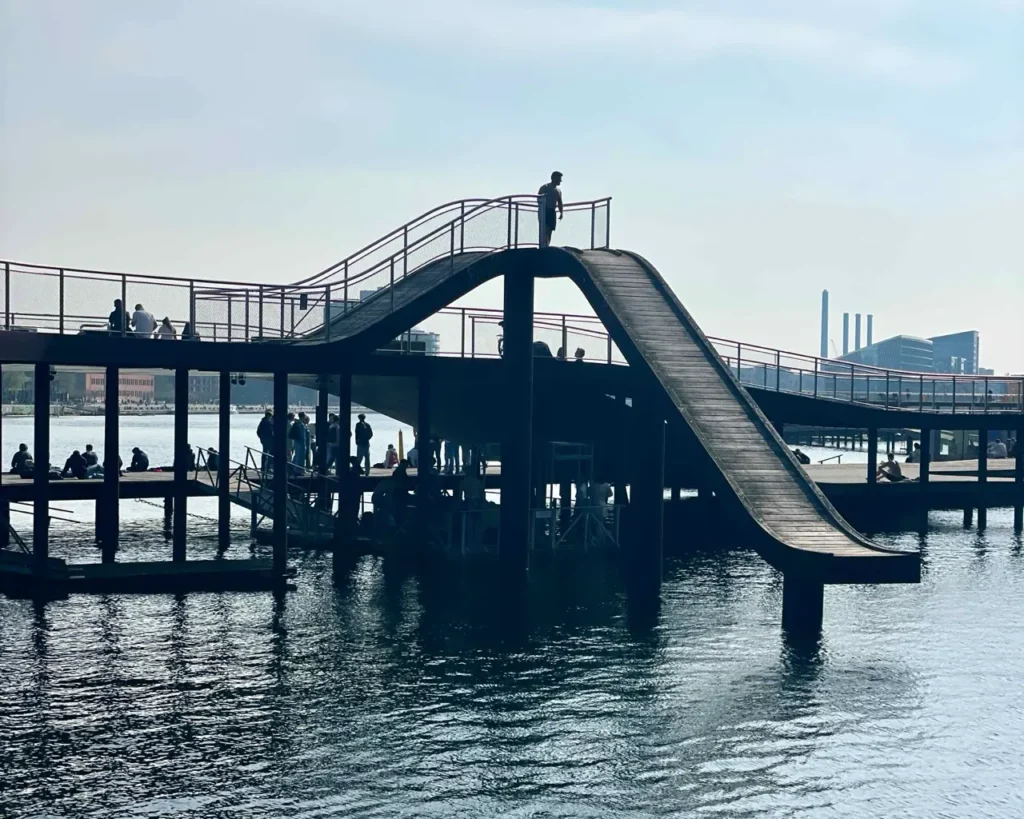
On a warm day, jump in for a swim, grab a cold beer, and just chill by the harbour—it’s easily one of the best ways to enjoy a true Copenhagen summer.
25. Say Skål and Enjoy the Danish Beers Like a Local
Denmark is famous for its renowned beer brands like Carlsberg and Tuborg. The city is often called the capital of craft beer, and I completely agree—You’ll find light lagers to dark stouts and everything in between.
If you love craft beer, check out places like Taphouse, Mikkeller, Brus, Fermentoren, Peders, Godt Øl, and Åben. These are my go-tos when I want to try something unique.
Palæ Bar and Dubliner Irish Pub are also good options. Pubs and Bars are also the best places to meet the Danes!

Here are some more personal recommendations for enjoying the nightlife in Copenhagen.
For a more traditional vibe, head to Hviids Vinstue, or Skindbuksen, where locals have been enjoying drinks for more than 300 years. If you’re into games, Bip Bip Bar, Boulebar (for pétanque), or Bastard Café are fun.
Live music fans love Hvide Lam, La Fontaine, Charlie Scott’s Bar, Mojo, and Library Bar. And if you’re after a sports bar, try Southern Cross or The Globe Irish Pub—both have a great atmosphere for watching games.

26. Spend a Sunny Day at Amager Strand Beach
Amager Strand is one of the best beaches in Copenhagen. It’s my go-to spot whenever the sun comes out—it’s super easy to reach by metro, and it has free parking.
The beach itself is lovely, with soft sand, shallow water, green picnic spots, and ample space for everyone. Ice cream kiosks and cafes are also available.
If you’re up for some fun, try kayaking, volleyball, or even kite surfing in the lagoon. There’s also a children’s play area, a handball court, and a skatepark, so there’s always something happening.
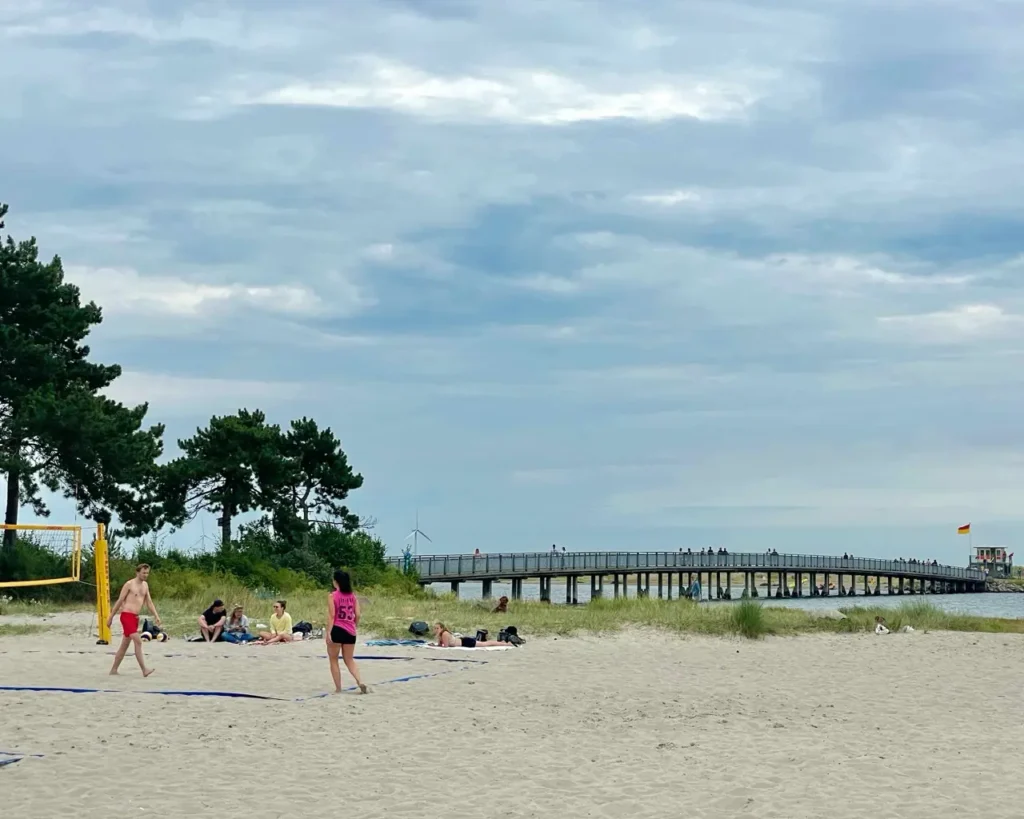
During summer, lifeguards are on duty, and you can take a dip in the beach, or at the sea baths—Helgoland Badeanstalt or Kastrup Søbad.
If you’re visiting with kids, don’t miss the Nature Center Amager Strand, where they can explore and learn about nature. You can even combine your trip with a visit to the National Aquarium of Denmark (Den Blå Planet), which is just nearby.
27. Visit the National Aquarium of Denmark (Den Blå Planet)
Just 2 km from Copenhagen Airport, the National Aquarium of Denmark (Den Blå Planet) is one of the city’s most visited attractions—and a top thing to do in Copenhagen with kids and families.
Shaped like a giant whirlpool, it’s the largest aquarium in Northern Europe. You’ll find different themed zones, like the tropical rainforest, the cold northern seas, and the vibrant coral reefs.
With 53 tanks holding more than 7 million liters of water, this place is home to thousands of sea and freshwater animals from around the globe—the sloth from Costa Rica, the puffins from the Faroe Islands, Cichlids from Tanzania, and more. At each aquarium, you can learn more about the animals and their native countries.
Don’t miss the Aquarium’s Big Five! I loved walking through the underwater tunnel, watching sharks and rays glide gracefully above.
Plan to spend at least 2–3 hours here—it’s one of the best indoor activities in Copenhagen, especially on a rainy day.
28. Feed Animals at the Copenhagen Zoo
If you’re visiting Copenhagen with kids, here is another kid-friendly place to visit!
In Copenhagen Zoo, you’ll get to see tigers, giraffes, elephants, rhinos, pandas, and even adorable polar bears up close.
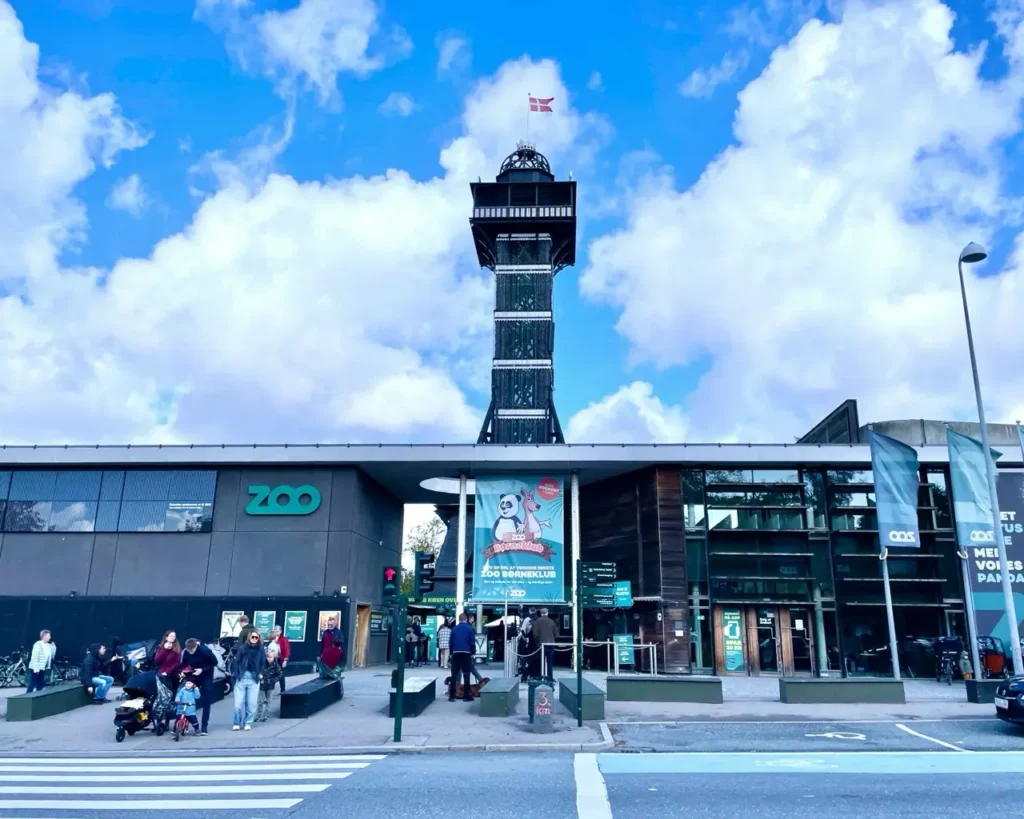
Kids get excited about seeing more animals like pigs, horses, llamas, and cows. During one of my visits, I even got to feed a pony, which was truly a fun experience!
Make sure to check the daily program on the zoo’s website before your visit—they often have workshops, animal talks, and special feed timings.
Beyond the animals, there are three playgrounds, restaurants, and plenty of shops inside. And, don’t miss the 43.5 m Zoo Tower—after 182 steps, you’ll be rewarded with an aerial view of Copenhagen.
29. Treat Yourself to Heavenly Danish Pastries
You simply can’t visit Copenhagen without indulging in a few Danish pastries—they’re a part of Danish culture.
Known across Europe for their rich flavor and flaky texture, these pastries are made with high-quality ingredients and rolled to perfection. You’ll find several Danish bakeries in Copenhagen, each offering its own twist!

As someone with a sweet tooth, I’ve tried plenty of them since I moved to Copenhagen, and trust me, they’re worth every bite!
My personal favorite Danish pastries are kanelsnegle (cinnamon rolls) and drømmekage (dream cake), the cardamom buns from Juno the Bakery, and the irresistible cakes from Conditori La Glace.
You can easily grab a pastry on the go while sightseeing or pack a few to keep the kids happy along the way.
I got so hooked on these treats that I even joined a Danish baking class at Terrible Fransk Konditorskole to learn how to make them myself!
Taste all the popular Danish pastries, recommended by a local guide
30. Step Back in Time at the National Museum of Denmark
If you want to truly understand Danish history and culture, the National Museum of Denmark in Copenhagen is the place to be.
Housed in an 18th-century mansion, this museum takes you on a journey through 9,000 years of Danish history—from the Stone Age and Viking era to Denmark today.
It is Denmark’s main cultural history museum, and you’ll easily spend at least 3 hours exploring its four floors of exhibits.
The museum is incredibly well-organised and easy to explore with interactive exhibits, detailed displays, and even a free audio guide.
The Viking exhibition is the real highlight (my personal favourite), and the children’s museum on the ground floor is a must-visit for families. If you’re visiting Copenhagen with kids, this is one museum you shouldn’t miss.
The museum also features impressive collections from around the world, including Egyptian mummies, African masks, and ancient artefacts that connect global stories to Denmark’s own past.
There’s also a café and shop. Entry is free with the Copenhagen Card.
31. Join a Guided Walking Tour in Copenhagen
The best way to experience Copenhagen is by joining a guided walking tour. It provides a deeper connection beyond what any guidebook can offer.
In my first year living here, I joined quite a few walking tours, and they were the best introduction to the city’s history, culture, and everyday life.
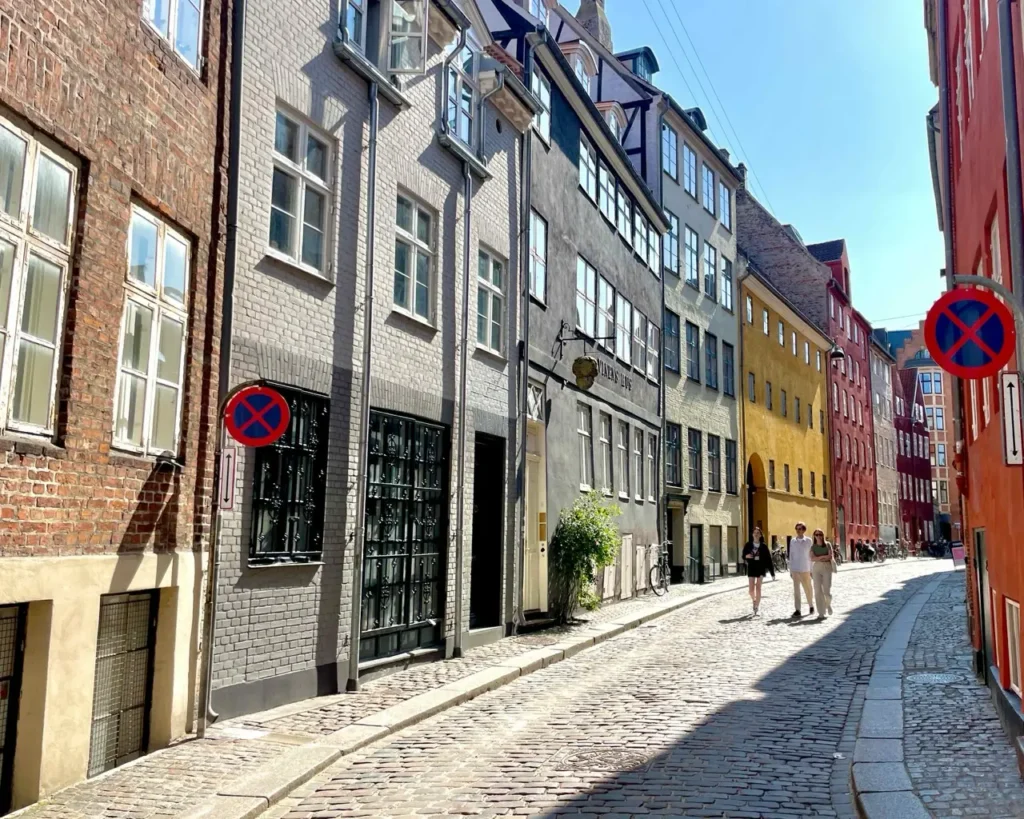
Since Copenhagen is a compact and walkable city, you can easily cover the main attractions on foot. Most tours involve around 3-5 km of walking, so dress comfortably and be prepared for the unpredictable Copenhagen’s weather!
For first-timers, I highly recommend the Copenhagen Free Walking Tours, run by passionate freelance guides. The Grand Copenhagen Tour runs daily, and while it’s free, tipping your guide at the end is encouraged.
To explore the free town Christiania, join a guided tour with Christiania Rundvisning. It costs 85 DKK, lasts about 1–1.5 hours, and runs every Saturday and Sunday at 15:00, both in English and Danish.
32. Learn About the Story of Copenhagen at the Museum of Copenhagen
To see, hear, and feel Copenhagen, learn about its people, and how the city came to life, the Museum of Copenhagen is the place to start.
It’s a small museum that tells the story of how Copenhagen was founded and evolved—from its earliest days to the capital city it is today. You’ll learn about the city’s major events, its different districts, and even its moments of disaster and recovery.
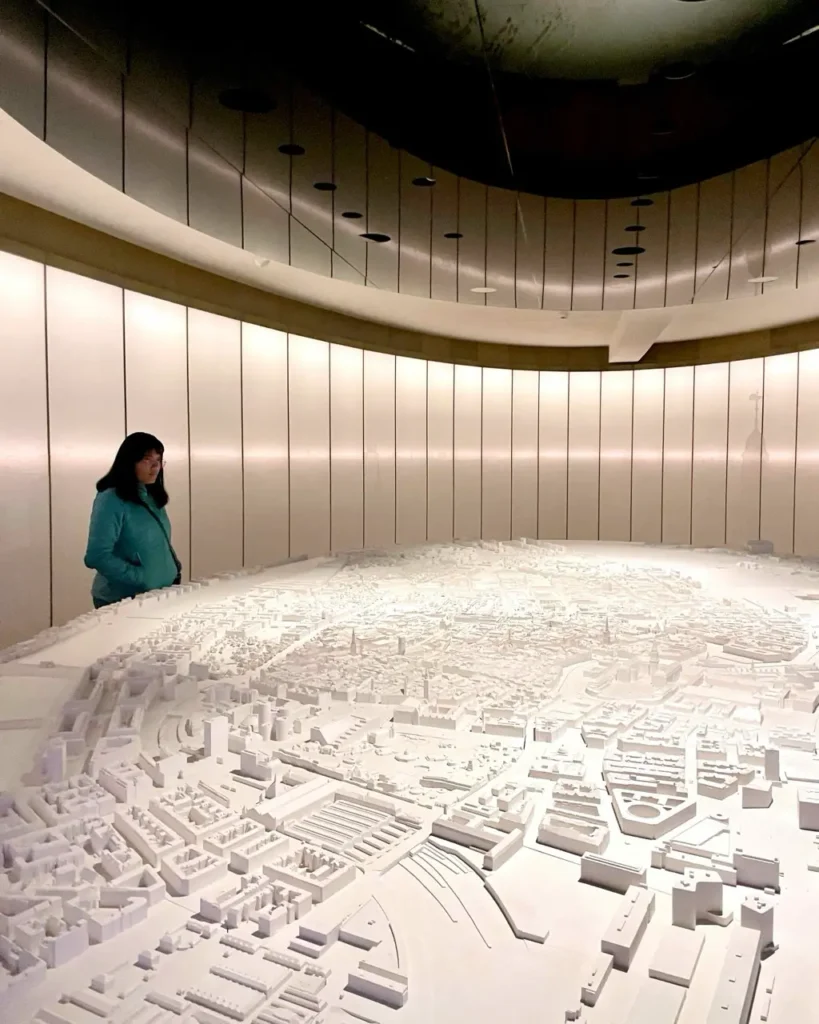
I loved the model of Rådhuspladsen (City Hall Square), and the short film about Copenhagen’s history brings everything together beautifully.
In addition to the permanent exhibits, the museum regularly hosts special temporary exhibitions that focus mostly on city life and culture.
Your entrance ticket is valid for 48 hours and includes access to Thorvaldsens Museum and Nikolaj Kunsthal, which makes it a great value.
Entry is free every Wednesday and also free with the Copenhagen Card.
33. Dine at Noma for a Once-in-a-Lifetime Gourmet Experience
For fine-dining lovers, Copenhagen is pure heaven. It is home to some of the world’s most celebrated Michelin-starred restaurants. In total, 38 Danish restaurants are located in Denmark, and an impressive 20 of them are right here in Copenhagen!
Noma, alongside Geranium and Jordnær—each proudly holds three Michelin stars. These restaurants redefine fine dining in Copenhagen, turning every dish into a piece of art. The culinary experience lasts around 3 hours, with multiple exquisite courses.
I haven’t been lucky enough to dine at Noma yet, but it’s definitely on my bucket list.
If you plan to visit, be sure to book at least a month in advance and pay to secure your spot. At Noma, the cost is 4400 DKK per person, which includes the juice or wine package.
It’s definitely an extravagance, but dining at these world-class restaurants is not just a meal—it’s a once-in-a-lifetime experience!
34. Find the Instagrammable Spots in Copenhagen
If you love capturing beautiful places, Copenhagen is full of Instagram-worthy spots. I often take slow walks or bike rides through the city just to enjoy the different neighborhoods.
Of course, the most iconic and photogenic spot has to be Nyhavn—those colorful buildings reflecting in the canal never get old, no matter how many times you see them.
But there’s so much more beyond that! Take a stroll through Krusemyntegade and Kronprinsessgade, often called the prettiest streets in Copenhagen, or explore Grønnegade and Gråbrødretorv, where every corner feels like a postcard.
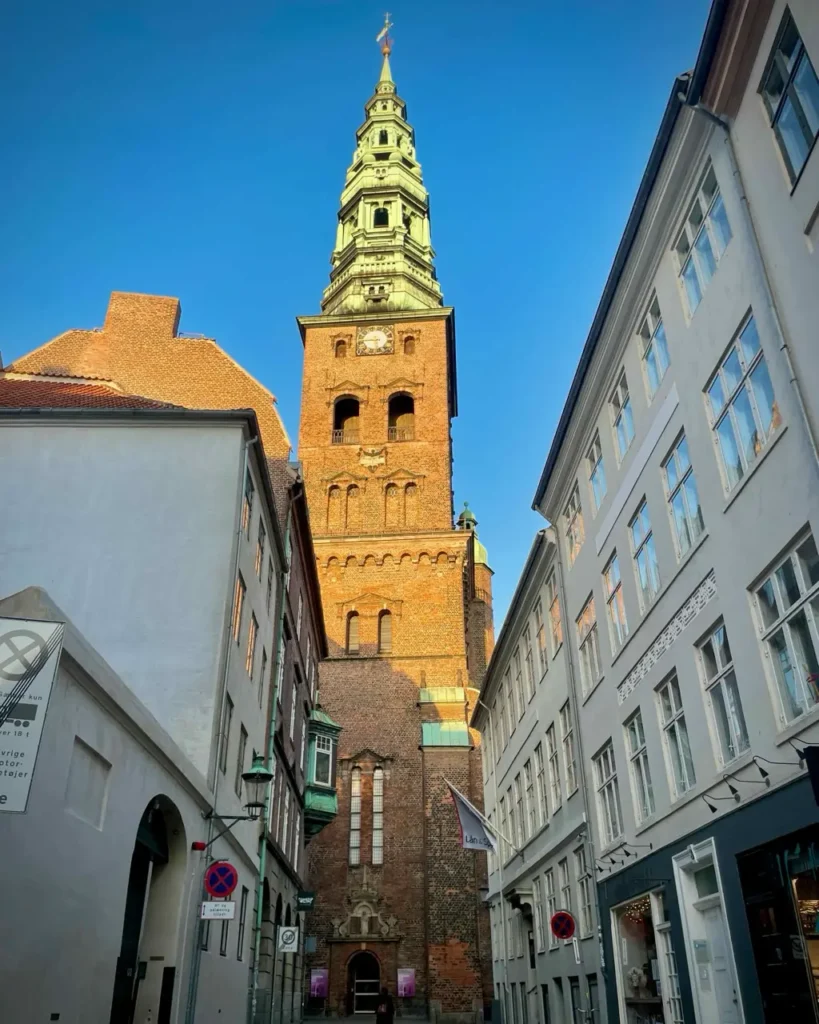
Magstræde and Snaregade, or the Frederiksholms Canal, are more peaceful, each with its own vibe, architecture, and atmosphere. And during Christmas, Strøget shines bright with festive lights and decorations.
If you’re up for venturing a bit farther, Olufsvej—lined with pastel-colored houses—is one of my personal favorites.
Do not miss this top-rated hygge and happiness culture walking tour!
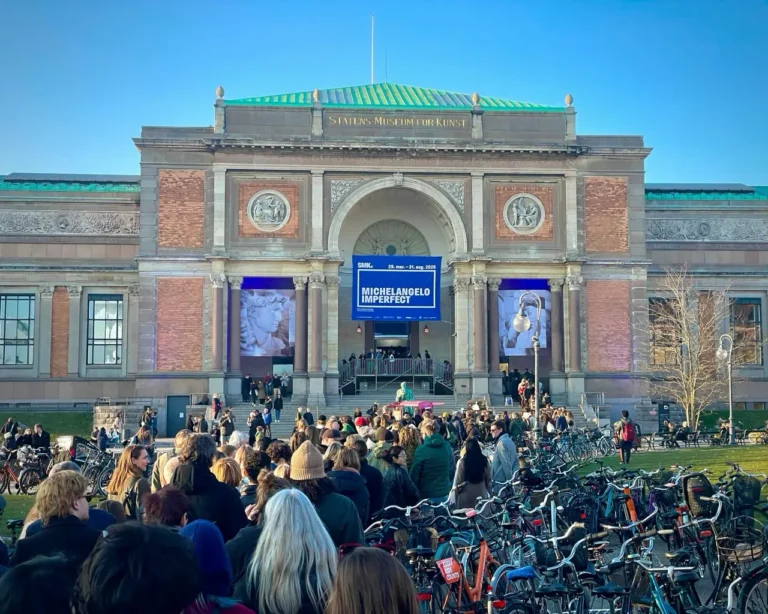
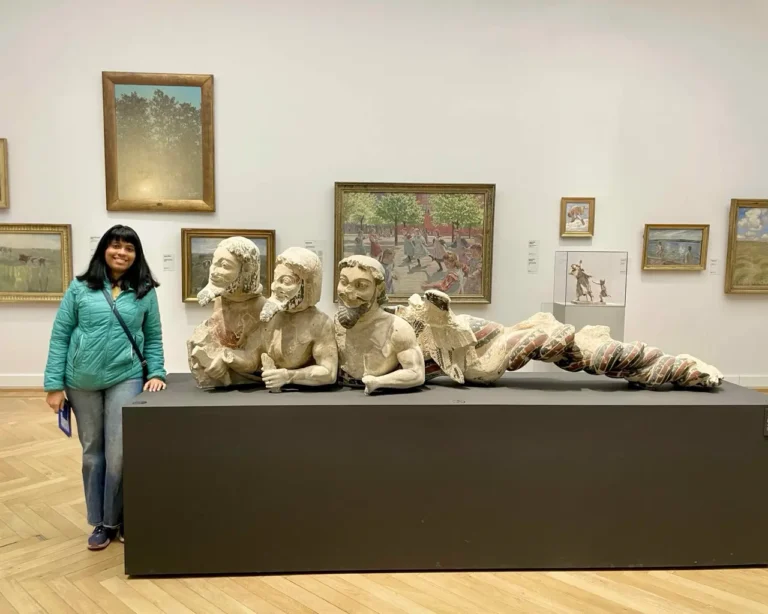
35. Admire Masterpieces at the SMK
It’s the Danish National Gallery and home to the country’s largest art collection with more than 200,000 works from the 1300s to the present day.
You’ll find everything here—from Danish Golden Age paintings and the Nordic art to the European masterpieces by world-renowned artists like Rembrandt, Henri Matisse, Tiziano Vecellio, and Andrea Mantegna.
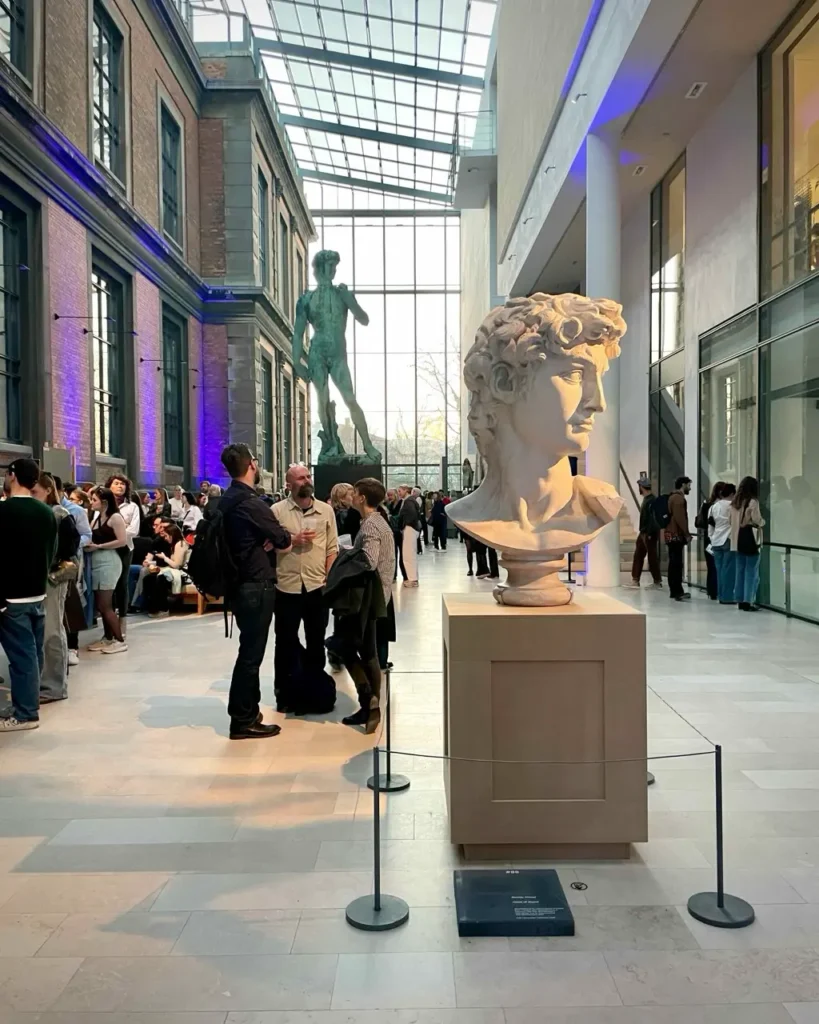
You can admire works by famous Danish artists, and there is a huge Royal Collection of paintings, sculptures, prints, and photographs.
I usually visit during SMK Fridays, when the museum stays open late with free entry, live music, events, and art talk shows. There are free short tours, workshops, and film screenings too.
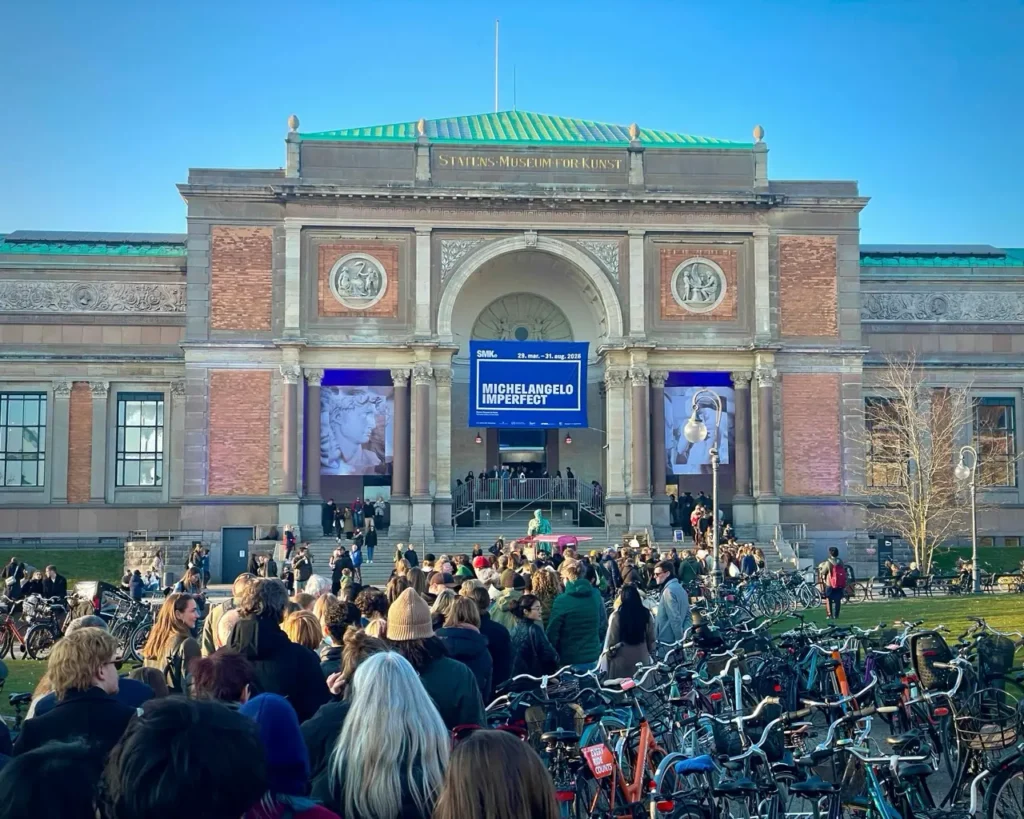
The temporary exhibitions that change every year are always impressive. Plan to spend about 2–3 hours here, and don’t forget—it’s free with the Copenhagen Card.
36. Grab a Bite at the Copenhagen Food Markets
In Copenhagen food markets, you can try everything from traditional Danish treats to international dishes in one place. The quality is good and comparatively cheaper than eating at restaurants.
The atmosphere at these markets is always lively, with plenty of outdoor seating. Locals hang out with friends and families over great food and drinks. Even Danes love spending time at these markets, which speaks volumes!
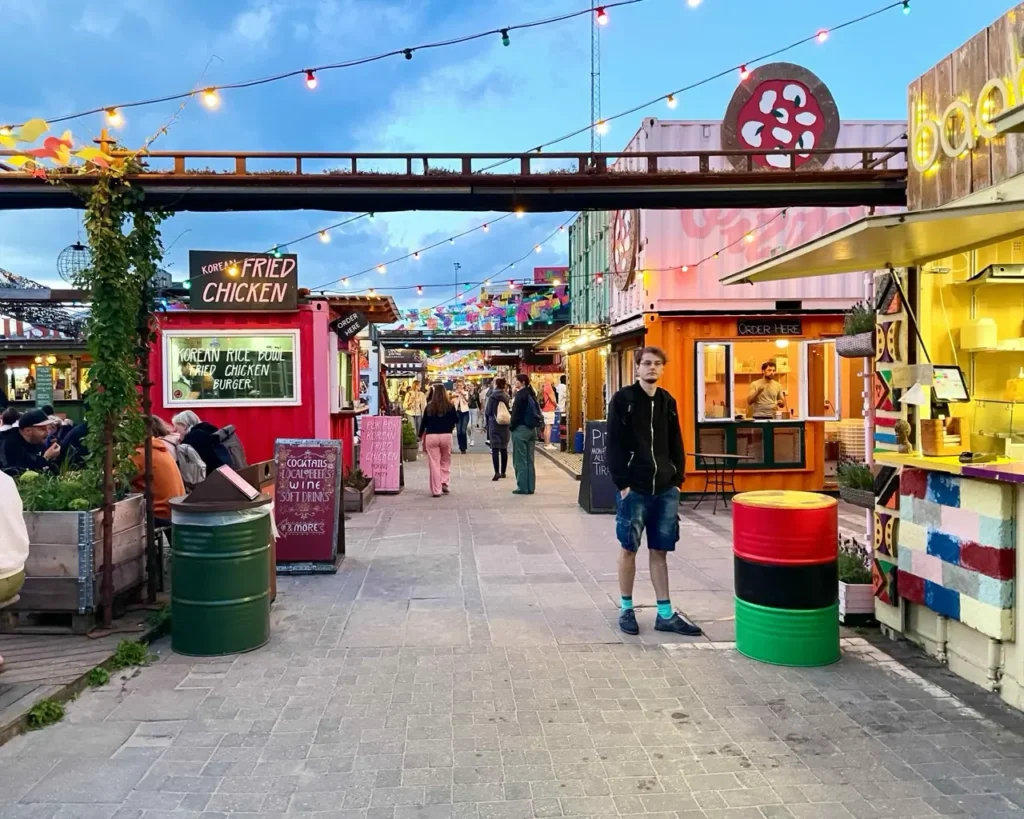
Personally, I’ve lost count of how many times I’ve been to Reffen. It’s my personal favorite. They host many events, including Sankt Hans Aften in the summer and ice skating rinks in the winter.
If you want a buzzing night scene, head to the Meatpacking District (Kødbyen), where food, drinks, and nightlife all come together in the coolest way possible. It’s definitely a must-visit for any foodie in Copenhagen.
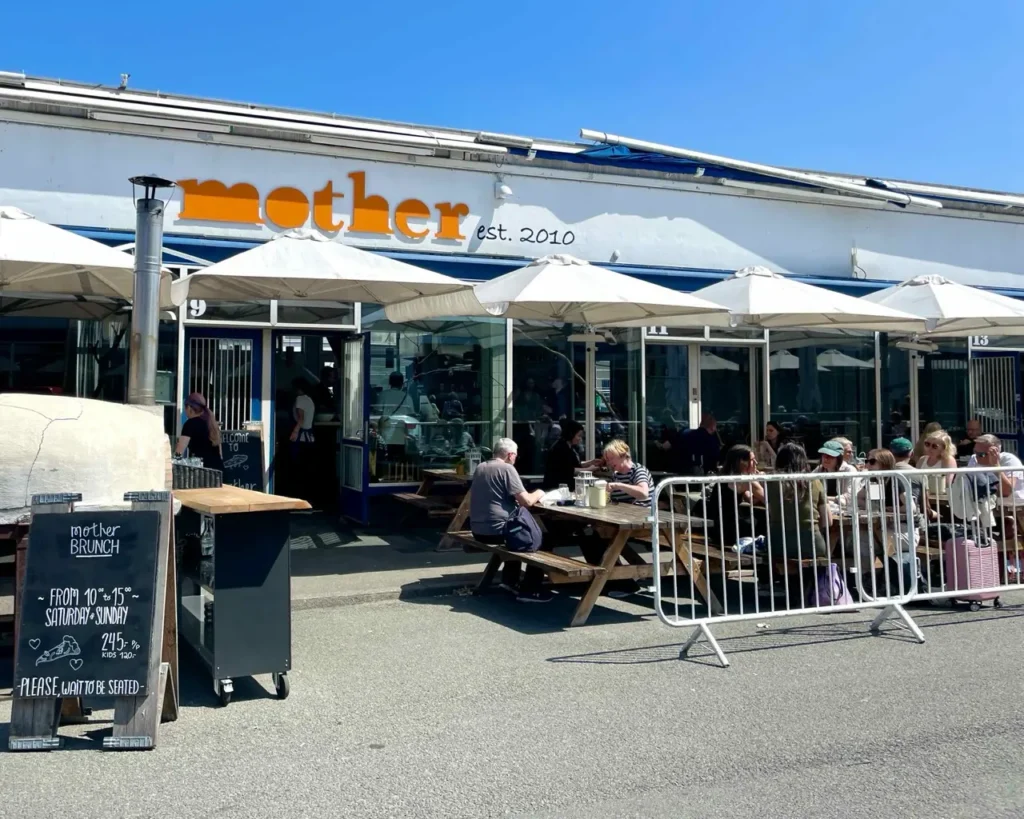
I loved this Copenhagen’s oldest food tour. Book now before it sells out!
37. Admire the Timeless Sculptures at Ny Carlsberg Glyptotek
Founded by Carl Jacobsen (yes, the same visionary behind Carlsberg Beer), Ny Carlsberg Glyptotek began as his personal collection. It has now grown into a remarkable gallery featuring over 10,000 works of art, spanning more than 6,000 years of history.
From ancient Mediterranean and Egyptian artefacts (including real mummies) to Greek and Roman sculptures and beautiful 19th-century Danish and French art, the Ny Carlsberg Glyptotek boasts a vast collection.
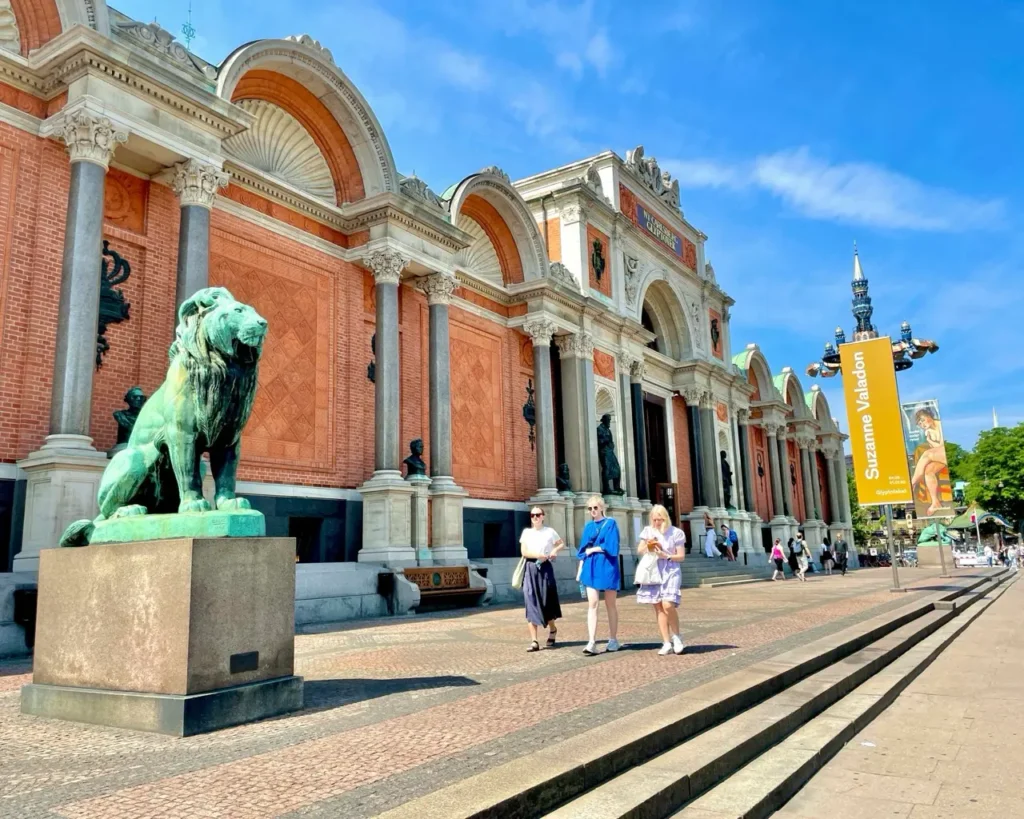
My favourite spot is the peaceful Winter Garden, filled with palm trees and Kai Nielsen’s sculpture “The Aquarius.” Before you leave, head up to the rooftop terrace for a breathtaking view of Copenhagen.
Guided tours take place every Sunday at 2 PM (included in your entry ticket). The entry to Glyptotek is free with the Copenhagen Card.
38. Shop for Unique Danish Souvenirs on Strøget
If you’re wondering where to shop in Copenhagen, head straight to Strøget, the city’s most famous shopping street. Stretching for 1.1 km, it’s one of the longest pedestrian shopping streets in Europe. You’ll find everything from luxury brands to local boutiques. I always love strolling here, even if I’m not buying things.
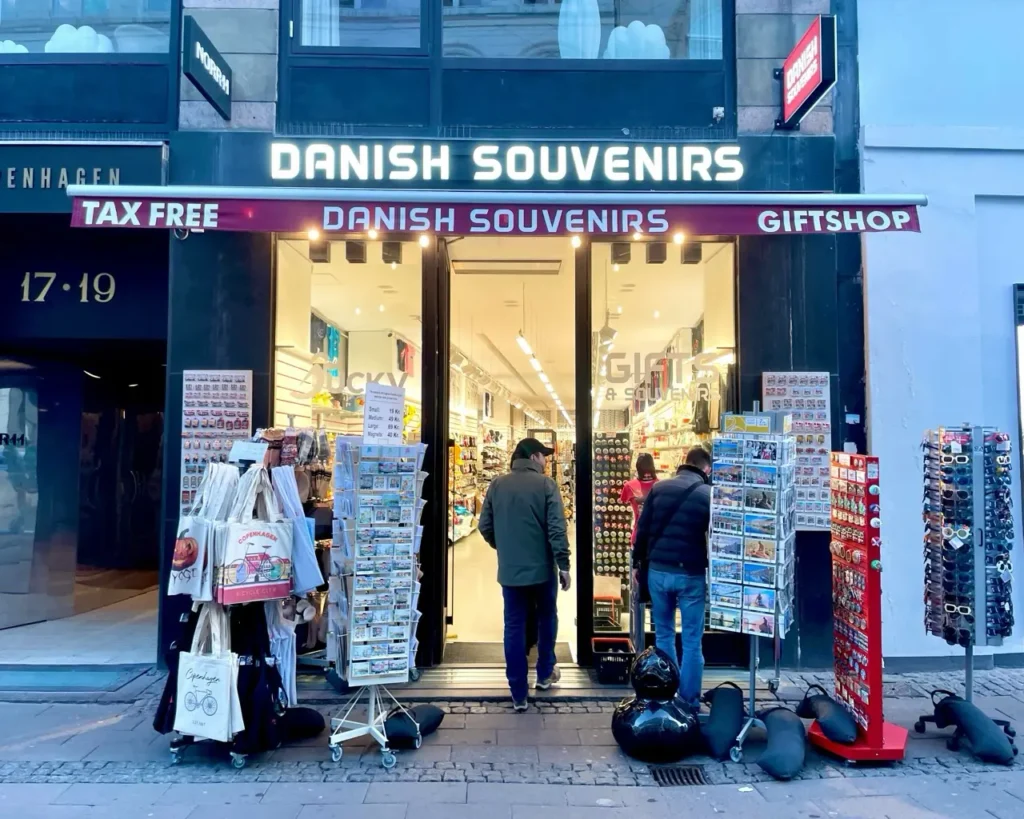
It’s the perfect place to pick up souvenirs from Denmark—something Danish to take home. If you’re into Danish design, you’ll adore Illums Bolighus. Don’t miss the LEGO flagship store, and Det Lille Apotek is a nice place to buy souvenirs.
I’ve also created a guide to unique souvenirs to buy in Denmark that truly captures the Danish spirit, going beyond the typical fridge magnets.
39. Take a Peaceful Walk Through Assistens Cemetery
It might sound unusual, but Assistens Cemetery in Copenhagen is more like a serene park than a usual cemetery.
Established in 1760, locals often come here for quiet walks, picnics, or simply to enjoy the calm surroundings. You’ll also spot red squirrels, jays, and other woodland creatures.
On any day, I love bringing a book, finding a shady spot under a tree, and just listening to the birds.
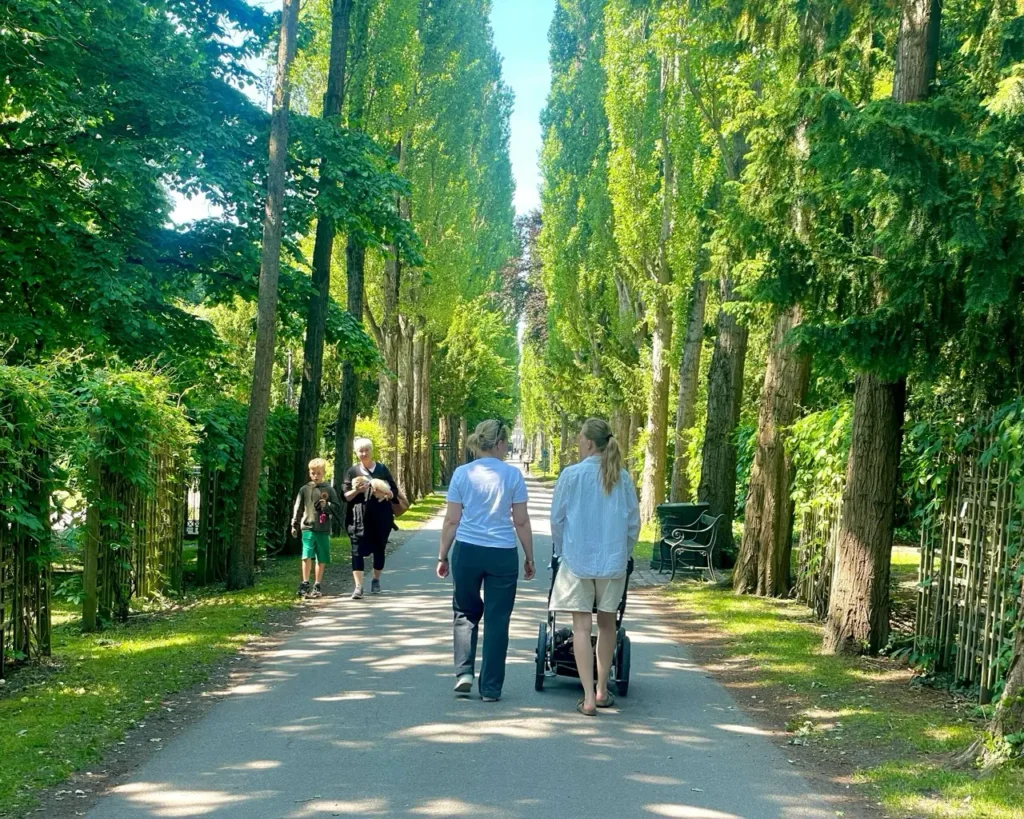
The cemetery is also home to the graves of many famous Danes, including Hans Christian Andersen, Søren Kierkegaard, and Niels Bohr.
Each season transforms Assistens Cemetery in its own way—spring brings blooming cherry blossoms, while autumn turns the trees golden and fiery red. It’s truly a quiet escape right in the heart of the city.
40. Appreciate the Masterpieces of Thorvaldsen
Right next to Christiansborg Palace sits one of Copenhagen’s most remarkable art museums — the Thorvaldsens Museum.
Dedicated entirely to the world-renowned Danish sculptor Bertel Thorvaldsen (1770–1844), it’s Denmark’s first single-artist museum, opened in 1848. What makes it even more special is that Thorvaldsen himself is buried in the museum’s courtyard.
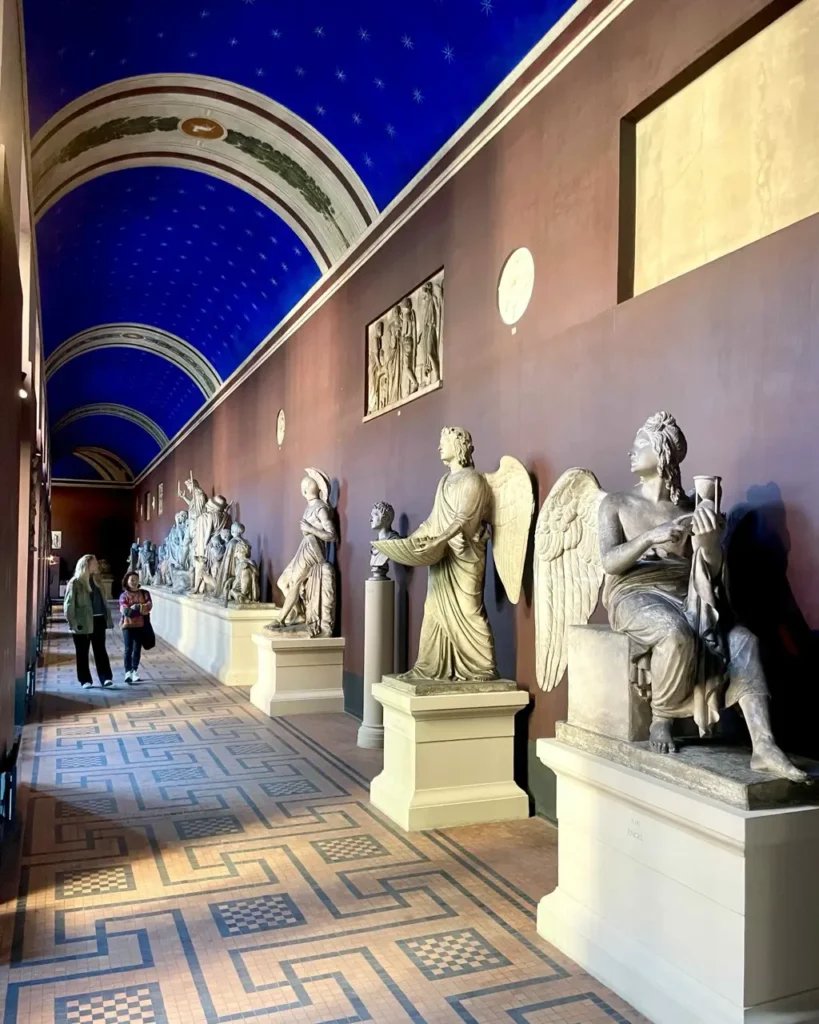
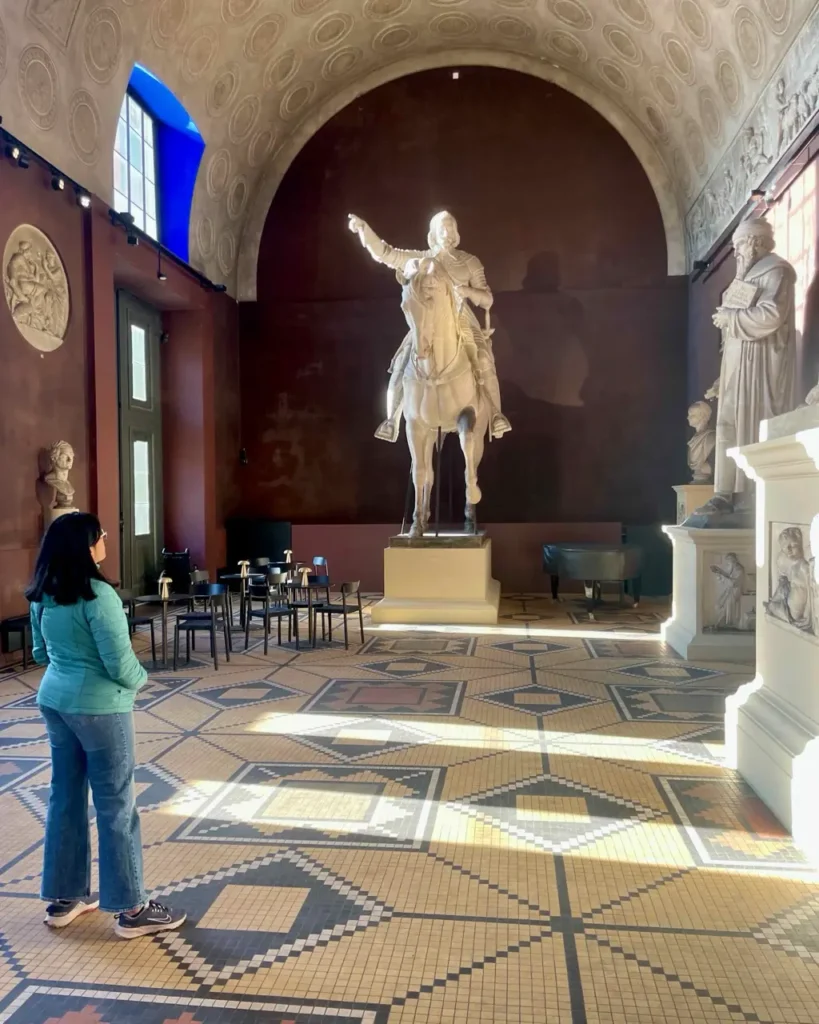
The museum houses a comprehensive collection of Thorvaldsen’s sculptures, displayed in marble and plaster, along with paintings, Greek, Roman, and Egyptian antiquities, drawings, and even some of his personal belongings.
As an art lover, his sculptures are more impressive in person than I imagined—they’re full of detail, emotion, and timeless beauty.
The old museum building takes about two hours to explore without rushing.
Entry is free on Wednesdays for everyone and free on Thursdays for pensioners. Check out the free museum blog to know all the free opening days of the Museums.
Entry is free with the Copenhagen card on all days.
41. Join a Communal Dinner at Folkehuset Absalon
If you want to experience the hygge, communal side of Copenhagen, join a fællesspisning (communal dinner) at Folkehuset Absalon. Every evening at 6 PM, people gather around long tables to share a warm meal, chat, connect, and play ping pong and board games.
Dinner costs 60 DKK per person from Sunday to Wednesday and 100 DKK from Thursday to Saturday for a two-course meal and a dessert.
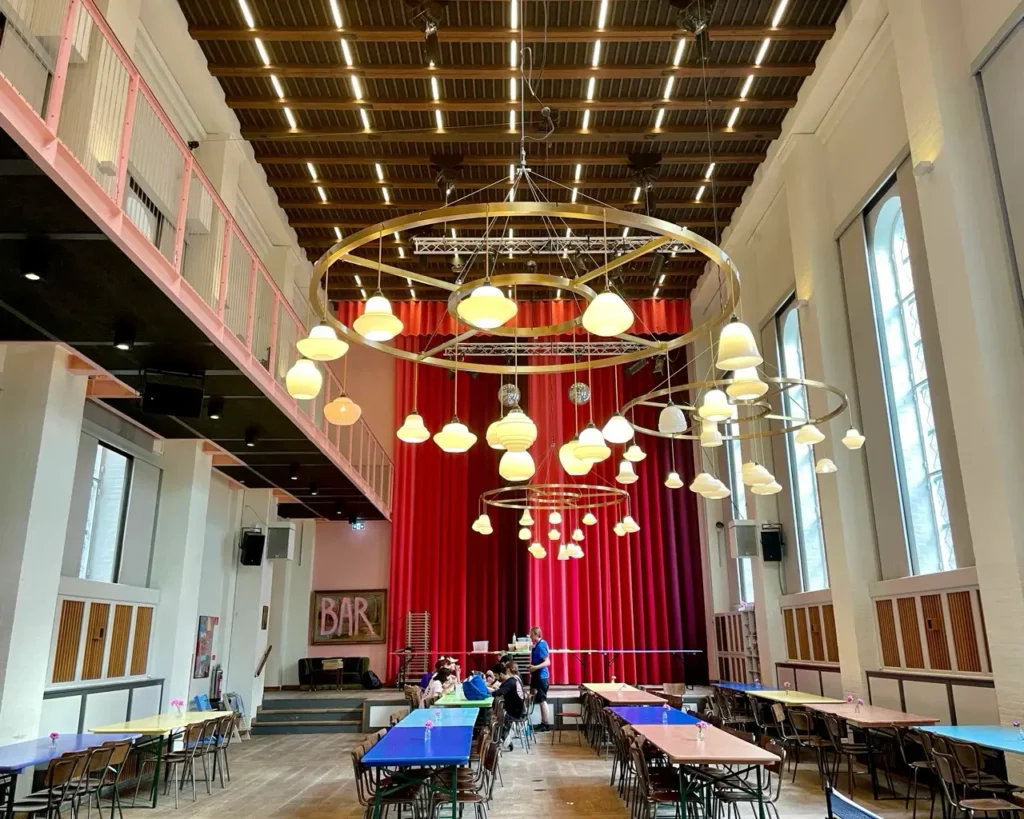
Kids under three eat for free. You can book your ticket online before 4 PM, or buy one at the door from 5 PM if it’s not sold out. They serve breakfast and lunch (no reservation needed).
I’ve been there myself, and it’s like dining with friends you just haven’t met yet. It’s also a lively community hub, where people attend workshops, do yoga, or dance under disco lights.
For affordable social dining in Copenhagen, Absalon is a must. You can also try Nordhus or Kanalhuset for other communal dinners around the city.
42. Step Into the World of Creativity at the Danish Design Museum
If you love art, design, and clever craftsmanship, you’ll absolutely enjoy the Danish Design Museum in Copenhagen.
It traces the history of Danish and international design—from the 1920s to the 2000s. The exhibitions showcase Denmark’s evolution in design, highlighting how everyday objects can be both functional and beautiful.
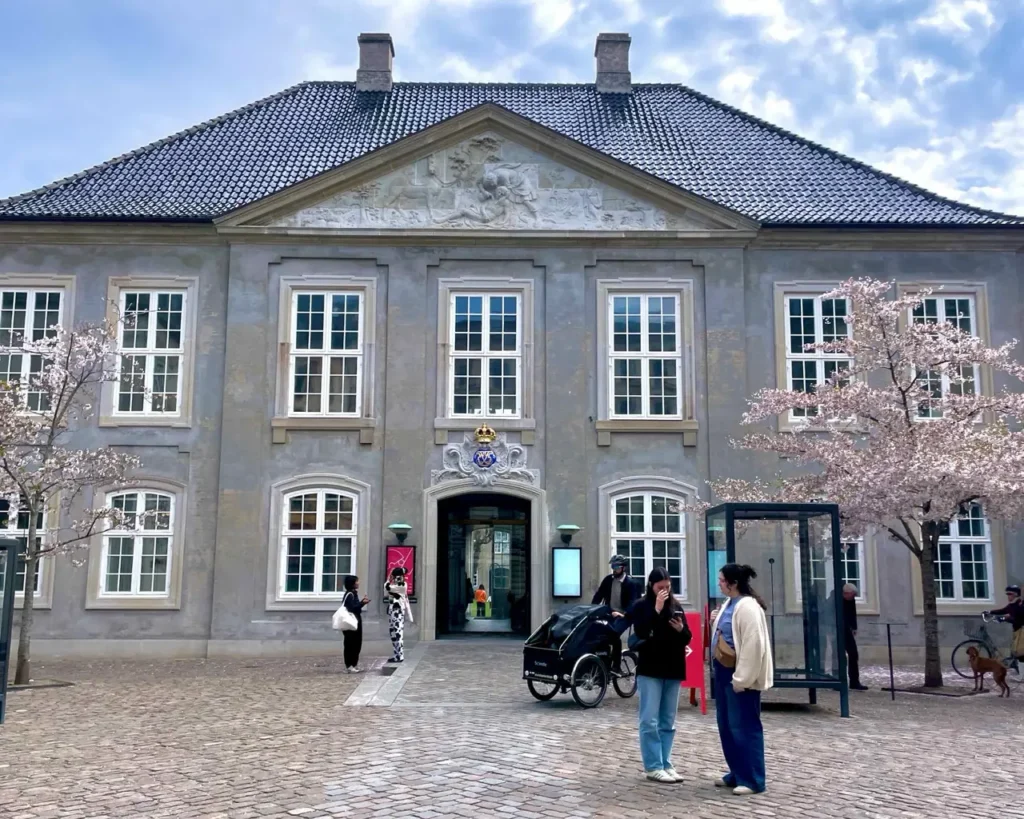
Inside, you’ll find everything from furniture and ceramics to textiles, silverware, and even music equipment. I still remember spotting Arne Jacobsen’s iconic Egg Chair.
The “Table Setting Through the Ages” exhibition is a delightful journey through centuries of dining styles, complete with dinnerware, cutlery, and glassware.
The museum isn’t very large, so you can comfortably explore it in about 1–1.5 hours. It’s free with the Copenhagen Card. Plus, for students and anyone under 27, admission is free every Thursday from November 6th until February 26th, 2026.
The café and inner garden are free to enter for everyone.
Did you know? Copenhagen was named the UNESCO World Capital of Architecture for 2023–2026.
43. Celebrate the Magic of Christmas in Copenhagen
Christmas in Copenhagen is my favorite time of the year! In Denmark, Christmas is a big deal, and the city transforms into a winter wonderland filled with hygge vibes, glowing lights, and full of traditions.
It’s the second-best time to visit Copenhagen after summer, especially if you love festive charm and a bit of occasional snow.
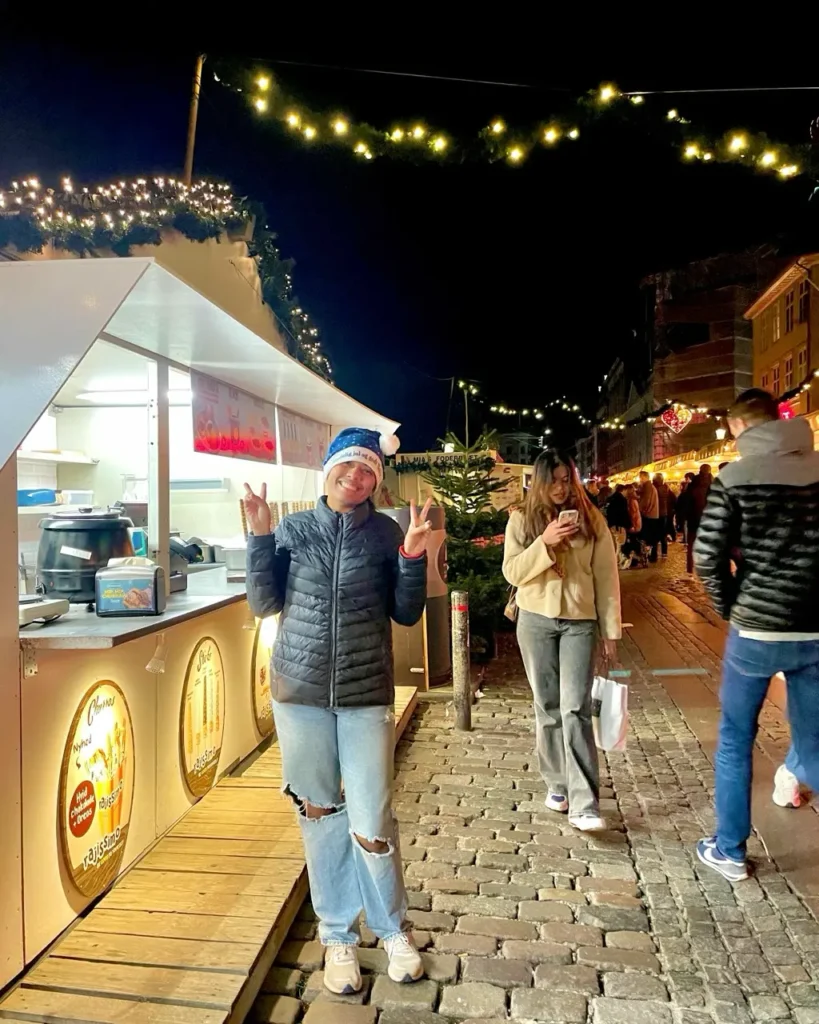
From early November, the celebrations begin with J-Day, the famous Christmas beer festival, followed by the Santa Lucia Parade and other fun seasonal events.
The city’s Christmas markets, ice-skating rinks, and seasonal gløgg stands add to the festive vibes, and you should definitely try the Danish Christmas food.
I highly recommend that you join a traditional Julefrokost, the Danish Christmas lunch!
Do keep in mind that Danes celebrate Christmas with family, so many attractions and even shops and supermarkets are closed during the Christmas holidays. Plan your visit for mid-December to enjoy Christmas in Copenhagen at its best.
44. Visit the Rådhuspladsen
Built between 1892 and 1905, Copenhagen City Hall Square (Rådhuspladsen) is an important landmark. Sit on a bench at Rådhuspladsen and watch people pass by and watch the Dragon Fountain.
The large open square in front of City Hall hosts concerts, parades, and major celebrations like New Year’s Eve, the Pride Parade, and the Christmas tree lighting ceremony.
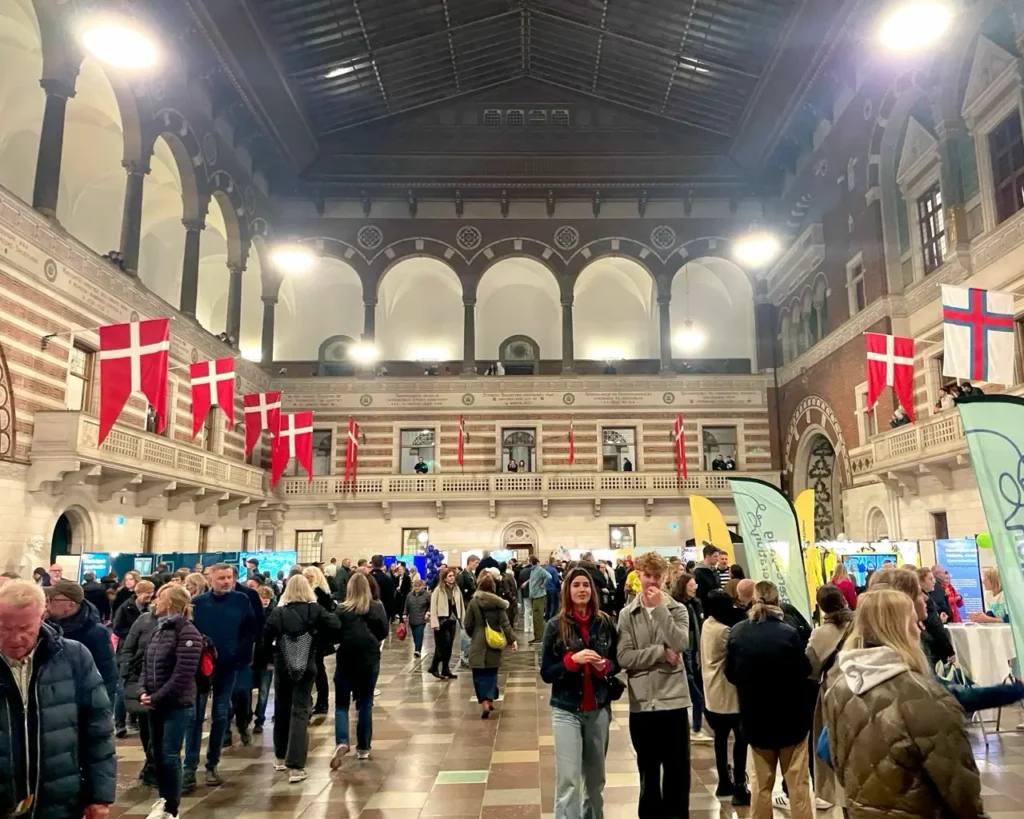
The City Hall also serves as the headquarters of the Lord Mayor and the municipal council.
Climb the City Hall Tower, which stands 105.6 meters tall with about 300 steps. Along with the stunning views over Copenhagen’s skyline, you can also see Jens Olsen’s World Clock, the world’s most precise mechanical clock.
Don’t miss the Dragon Fountain, the Lur Blowers statue, and Denmark’s Zero Kilometer Marker, right in the square’s center.
For more information about the city hall, I highly recommend booking a guided tour online.
45. Hang Out at the Superkilen Park
Superkilen Park in Nørrebro is a unique public playground in Copenhagen.
The park is divided into three distinct areas. The Green Park is the most traditional, with a skatepark and giant swings on the sand.
The Black Square (Den Sorte Plads)—the most famous part of Superkilen. You’ve probably seen pictures of its wavy white lines painted on the black pavement. It’s a cool place to take photos and a good hangout spot with fountains, chess and checkers tables, and benches with barbecue grills.
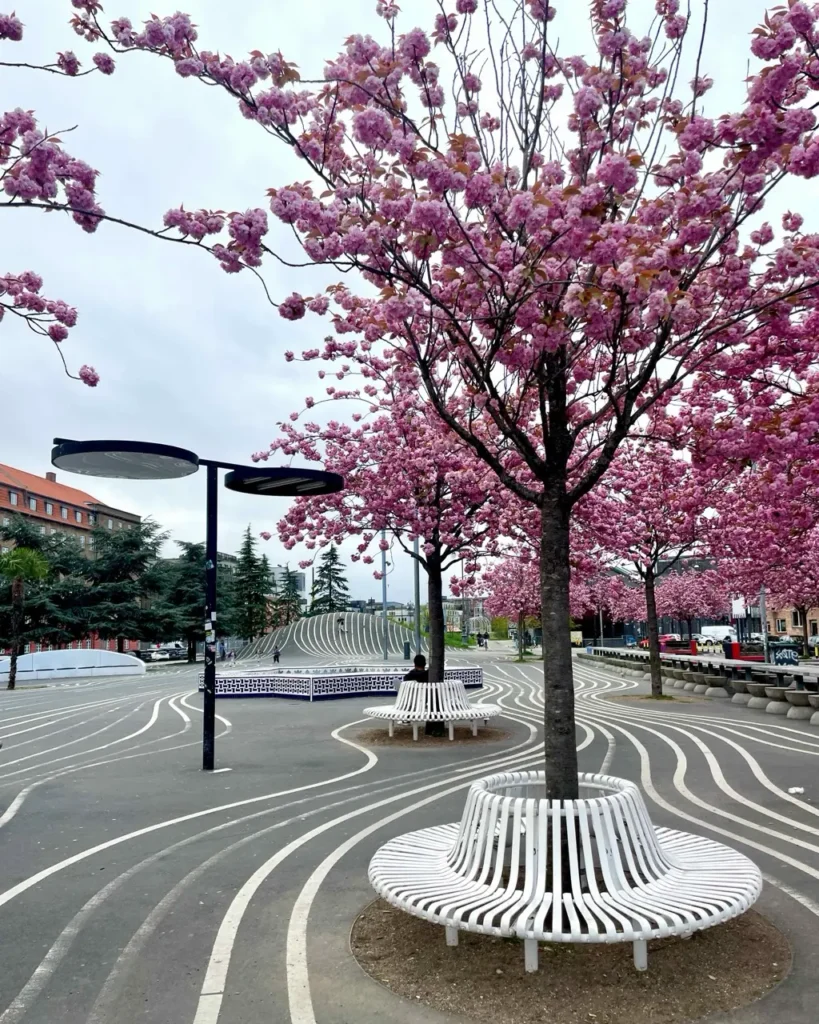
Lastly, The Red Square (Den Røde Plads) with the red pavement, has sports courts, a kids’ play area, and open spaces for dog walking.
The whole park feels colorful and lively during the cherry blossom season. For families with kids, Superkilen is a great place to run around and play 24*7 when the weather is nice.
46. Go Boating For a Cause at Green Kayak
A great summer activity in Copenhagen is joining GreenKayak. GreenKayak is an environmental friendly NGO that encourages people to care for cleaner oceans.
You can borrow a kayak for free for two hours, with just one condition—collect trash as you paddle.
It’s a simple way to do something good for the environment while having fun navigating the city’s beautiful canals.

I’ve done it with my friends a few times, and had such a good time. Life vests are mandatory.
GreenKayak has several spots around Copenhagen, and it’s quite popular, so I recommend booking early. Reservations open on April 14, and the season runs from May to September each year.
Or how about this super cool kayaking tour in the Copenhagen harbours?
47. Enjoy Copenhagen’s Biggest Cultural Event
Don’t miss Kulturnat or Culture Night—It’s a non-commercial celebration of culture that runs from 18:00 to 24:00 on the second Friday of October.
It’s a special evening where some places like Frederiksberg Palace, the jail, and the City Court, open their doors exclusively for this event.
Many paid attractions become free with the pass—but be prepared for long queues because it’s extremely popular. Beyond that, there are so many events, live music, theatre performances, comedy shows, and workshops happening in the city.
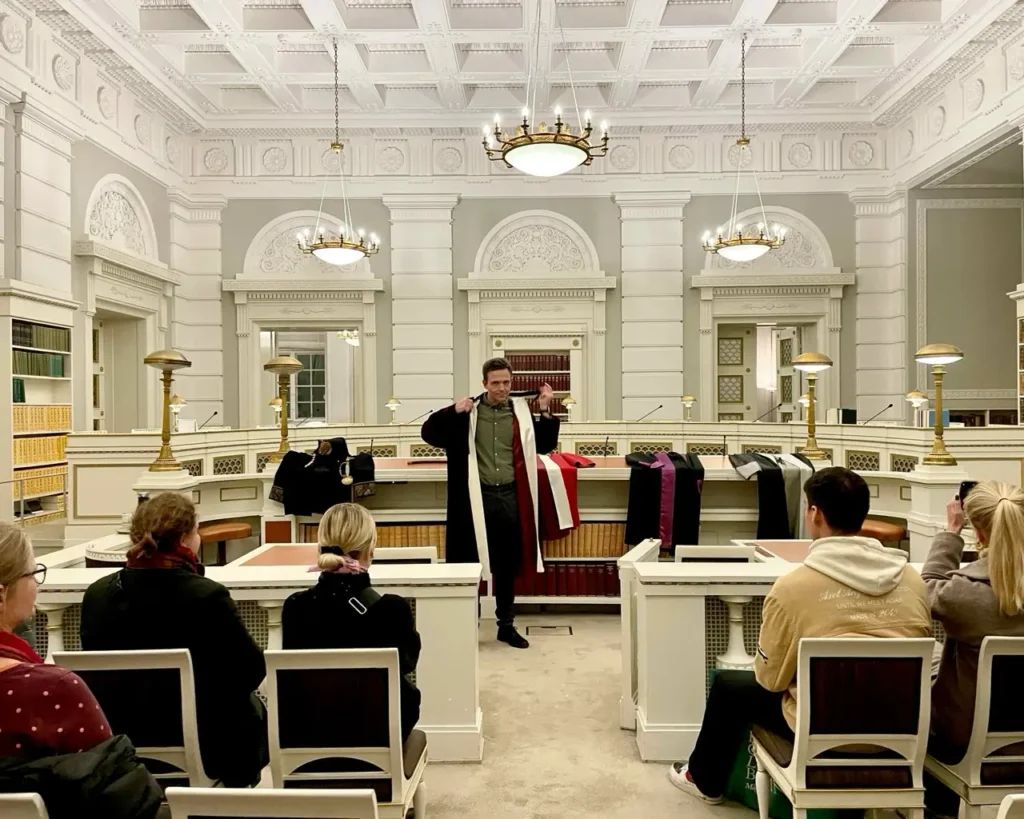
With a Kulturnat Pass (just 125 DKK), you get access to hundreds of events, plus free public transportation from 16:00 to 04:00. You can even bring two children under 12 for free.
If you’re traveling with kids in March, there’s also Little Culture Night, a special program designed just for children to explore and enjoy Copenhagen’s cultural scene in a playful way.
I absolutely love Culture Night, and every year I make the most of it, soaking in Copenhagen’s most loved cultural event.
48. Learn a Few Danish Basic Words and Phrases
Even though most Danes speak excellent English, learning a few basic Danish words and phrases can make your experience in Copenhagen so much more personal and enjoyable.
Wherever I travel, I like to pick up some simple words—it’s a great way to connect with locals and often brings a smile to their faces.
As an expat living here, I’ve actually completed Level 3 in Danish. For starters, try greeting with “Hej” (pronounced as hi) and saying “Tak” (tak) for thank you.
The Danish alphabet includes all standard English letters plus three extra vowels: å (aa), æ (ae), and ø (oe).
Did you know? Denmark is called Danmark in Danish, and Copenhagen is København (pronounced Kubenhavn).
49. Watch a Live Performance at the Copenhagen Opera House
The Copenhagen Opera House by the harbour is home to the Royal Danish Opera and the Royal Danish Orchestra. The talent here is world-class—artists come from across Scandinavia and all over the globe.
The building itself is huge, with 14 floors (9 above ground and 5 below), and includes two stages: the Store Scene, which can accommodate around 1700 people, and Takkelloftet with space for about 200.
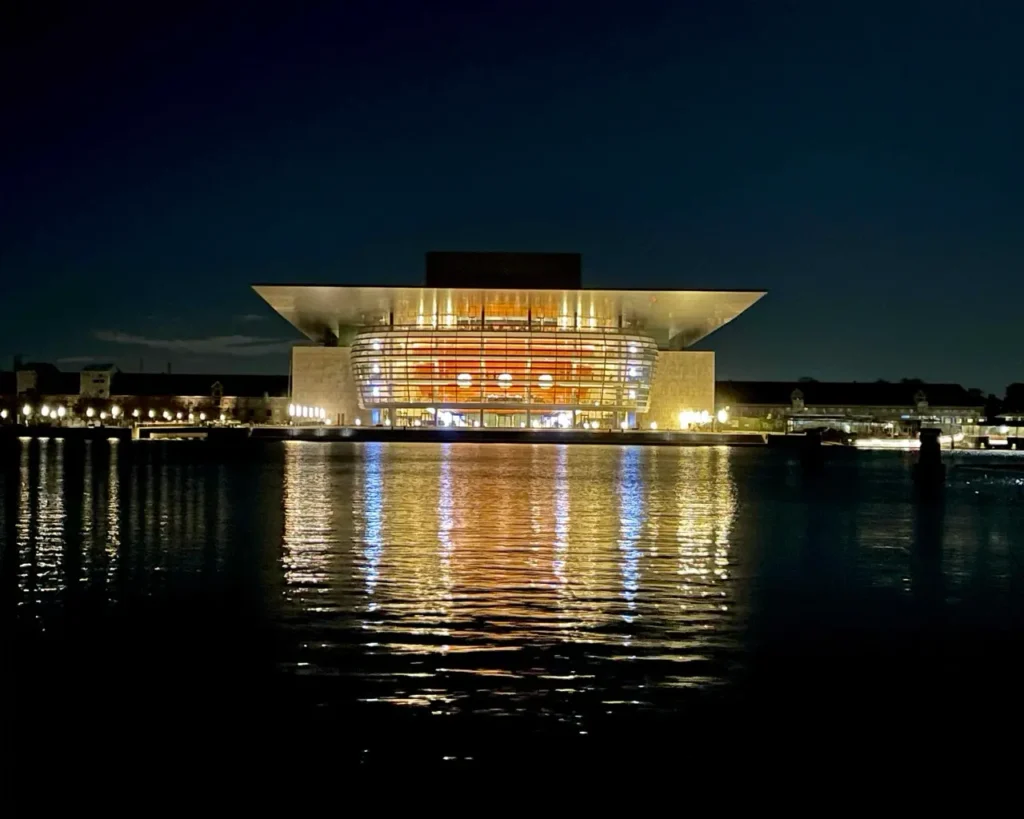
You’ll find everything from opera and ballet to theatre performances, comedy shows, and concerts in its Opera’s calendar —there’s always something happening at this iconic Copenhagen attraction. A few events are free, but you must book a ticket to gain access.
50. Take a Day Trip to Roskilde
If you have more time to spend, a day trip to Roskilde is absolutely worth it. Just 30 minutes away by train, Roskilde is one of Denmark’s oldest cities and was actually the country’s first capital.
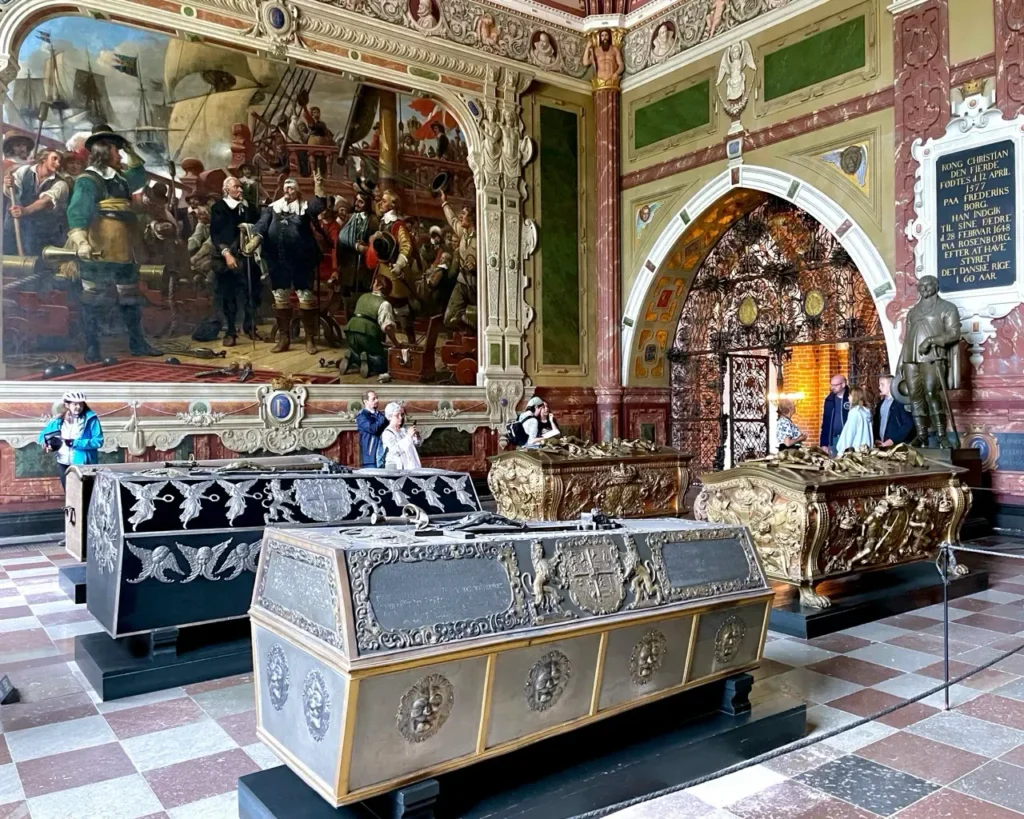
The biggest highlight is the Roskilde Cathedral, an UNESCO World Heritage Site and the royal burial church for Danish kings and queens. The architecture is incredible, and if you have the Copenhagen Card, entry is completely free.
Roskilde is also home to the famous Viking Ship Museum, where you can get up close to real Viking ships and learn about the Viking Age.
The city is also known for the legendary Roskilde Festival, one of Europe’s biggest music festivals.
A day trip from Copenhagen is worth it, with so many things to do in Roskilde. I highly recommend it.
50 Things to Do in Copenhagen Map
Final Thoughts: Top 50 Things to Do in Copenhagen
Now that you’ve reached the end of the list, you’ve got more than enough inspiration to fill 5 days or even more in Copenhagen—and honestly, you might even wish you had a few more days to explore!
I hope this guide helps you discover the best of Copenhagen, whether that’s relaxing, exploring, eating, or a little bit of everything. So grab your shoes, hop on a bike, and get ready to experience Copenhagen like a local.
By the end of your trip, you’ll see why this city has my heart—and maybe, it’ll steal yours too.